Matcha transforms into usucha or koicha depending on water and powder ratios. Usucha foams light and airy, while koicha creates dense, glossy suspension. Both styles reflect Japanese tea culture and tradition
Read More



Matcha transforms into usucha or koicha depending on water and powder ratios. Usucha foams light and airy, while koicha creates dense, glossy suspension. Both styles reflect Japanese tea culture and tradition
Read More
As matcha evolves into an $11 billion global phenomenon, discover how this ancient Japanese ritual transformed into a modern superfood staple, outperforming coffee in sustainability, health benefits, and market growth.
Read More
US Tea Trading Partners Face Single Rate Country-Specific Reciprocal Tariffs | Renewed Airstrikes in Yemen Elevate Tea Transit Risk | A Study of 1400 Mother-Child Pairs Found that Drinking Tea During Pregnancy is Linked to Enhanced Cognitive Development in Children
| Episode 210

Red Sea Shipping Attacks Paused | Carlsberg Acquires UK Bottler Britvic | Kidney Mortality Rates Lower for Tea Drinkers Consuming Oxidized Tea | Episode 202
Read More
Hot Tea Gains Marketing Momentum | FDA Bans Red Dye No. 3 in Foods and Beverages | Argentina’s Misiones Tea Growing Region is Awarded Geographic Indication Status | Episode 201
Read More

Ichō or ichoucha is withered tea. The first process in producing Japanese green tea is steaming the leaves as soon as they are picked to stop oxidation and keep their strong green color. However, by withering them first, the leaves undergo a slight oxidation between harvest and steaming, bringing out the floral notes.
Read More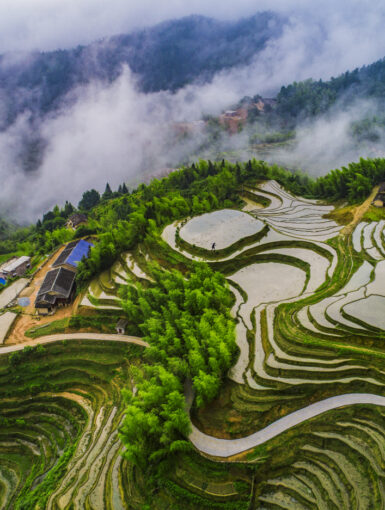
Mountainous Suichuan county in Jiangxi Province offers an incomparable microclimate for local cultivars, producing an exceptionally tender leaf. Gou Gu Nao Green Tea is highly prized. The processing method is quite complicated. It is refined through eight processes. The shape of Gou Gu Nao Tea is tight and rolled to a slight curl. The color is bright green, the aroma is fresh and elegant, and the taste is fresh and thick with a sweet and long aftertaste.
Read More
Knowledge of how tea is grown and processed came naturally to fourth-generation Argentine grower Carolina Okulovich but she observed that was not so for the tourists and visitors to the farm who found tea cultivation and processing fascinating. That was how the idea arose to create a learning experience for visitors touring the 15 hectares known as La Ruta del Té.
Read More
Tea drinking has evolved in the 75 years since George Orwell’s famous essay ‘A Nice Cup’ was first published. The variety of teas available today would likely astonish Orwell and certainly would have astonished his Evening Standard readers. The process of discovering what a great pot of tea means to you can and should be more nuanced and wide-ranging than it was in Orwell’s time.
Read More
The Bolivian government has invested in tea production as part of its Poverty Alleviation Program leading to the creation of ecological brands pioneered by ChaiMaté Tea, an IMO certified supplier producing teas competitive for export.
Read More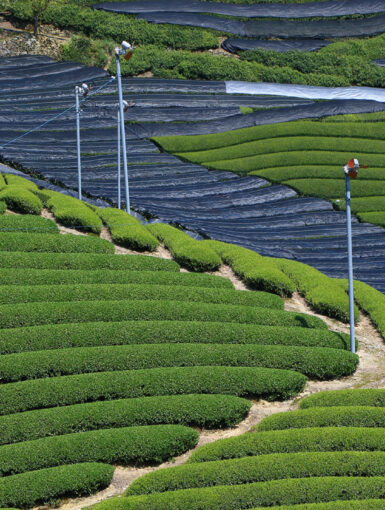
The aroma that swirls from a package of gyokuro, especially one of the highest grades, is so extraordinary that you could stop right there and be satisfied. The aroma that swirls from a package of gyokuro, especially one of the highest grades, is so extraordinary that you could stop right there and be satisfied.
Read More
Wang Hai tea is a pre-Qingming green tea that is grown on Mount Tiantai in China’s Zhejiang Province.
Read More
Hoshino villagers have experimented with growing, processing, and savoring tea for more than 600 years. The village’s Tea Culture Museum offers visitors a first-hand experience preparing artisan tea amid displays of ancient crafts.
Read More
As matcha evolves into an $11 billion global phenomenon, discover how this ancient Japanese ritual transformed into a modern superfood staple, outperforming coffee in sustainability, health benefits, and market growth.
Read More
Matcha’s explosive online visibility is reshaping how consumers discover, order, and understand tea. As cafés, creators, and social platforms drive demand, the industry faces a new challenge: turning attention into quality, trust, and lasting engagement
Read More
Matcha has become tea’s first true digital phenomenon, generating nearly one million online mentions in just six months. Matcha Mentions 2026 explores how social media, AI discovery, and online culture are reshaping tea’s visibility and influence worldwide.
Read More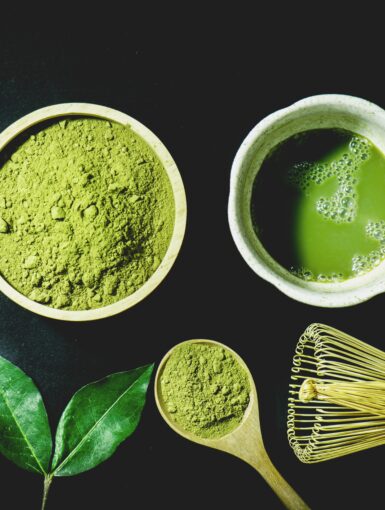
The inaugural Matcha Mentions Report reveals how matcha generated nearly one million online mentions in just six months, vastly outpacing Darjeeling and Ceylon. The benchmark offers a new way to track tea’s visibility as consumer discovery increasingly shifts to social media and AI-driven platforms
Read More Matcha transforms into usucha or koicha depending on water and powder ratios. Usucha foams light and airy, while koicha creates dense, glossy suspension. Both styles reflect Japanese tea culture and tradition
Read More
Before Matcha, there was Mo Cha, that inspired and shaped the Japanese powdered tea culture, eventually leading to Matcha that has taken the world by storm
Read More
Ian Chun introduces a groundbreaking Matcha Spectrum Sampler, reframing how buyers understand quality. His visual chart clarifies confusing grades, shifting focus from production claims to functional performance in the bowl.
Read More
The European Food Safety Association (EFSA) is under renewed pressure from the European Commission to investigate the safety of concentrated green tea catechins in supplements.
Read More
A lack of infrastructure, a lack of capital, natural disasters, a pandemic, and a very tough competitor at the border – are the challenges faced by Nepal growers. The Nepal Tea and Coffee Development Board report that very few (3,244) of the three million employed in Nepal’s tea industry work full-time. Seventy-four percent of temporary workers are women, according to the Central Bureau of Statistics. There are 18,180 small farm owners, in stark contrast to India’s vast tea plantations and the social complexity of such systems. The farmers can either process the tea themselves or sell the raw leaves to factories.
Read More
Consumer Reports’ writes that the risks of GTE include: “Dizziness, ringing in the ears, reduced absorption of iron; exacerbates anemia and glaucoma; elevated blood pressure and heart rate; liver damage; possibly death.”
Read More
A weekly report on global tea prices by market that includes data and details on price averages at tea averages, weather conditions during harvest periods, labor availability and other developments influencing prices, and expert views.
Read More