



This edition of the newsletter is sponsored by

Hello everyone,
I enjoy discovering the science behind everything in the world around us, and tea processing was no exception to my curiosity. So, when I came across new research demonstrating how strategic oxygen treatment during black tea fermentation significantly improved the taste profile and liquor color quality of the tea, I figured I must share it with the Tea Journey readers. I was sure you would find it not just interesting, but useful too. So, in today’s highlight, check out my new article about this research and its practical application in black tea manufacturing.
Also, Tea Journey is raising funds to relocate to the tea lands in 2025. Investors will receive a share of the annual profits and unlimited access to hundreds of premium articles and podcast segments. Fill out this quick three-question survey to register your interest here. There is no obligation to invest. Completing this survey just lets us know that you are interested in learning more about how you can support our move.
If you are at the IITC, Kochi, do come say hello to Dan Bolton and me. We would love to meet you all!
Don’t forget to share the stories with your friends, family, colleagues, or anyone who you feel would enjoy reading them.
Yours in tea,


Recent groundbreaking research demonstrates that strategic oxygen treatment during black tea fermentation significantly improves both the taste profiles and liquor color quality. This scientific breakthrough offers tea producers, manufacturers, and sellers evidence-based methods to enhance their product quality through optimized fermentation processes.
Understanding the Science Behind Black Tea Fermentation
Black tea derives its distinctive characteristics from a complex fermentation process where polyphenols undergo enzymatic oxidation. During this critical phase, tea compounds transform into key pigments including theaflavins, thearubigins, and theabrownins. These compounds directly influence the final product’s color, taste, and overall quality profile.
The fermentation process traditionally relies on natural oxygen exposure; however, recent scientific investigations reveal that controlled oxygen enhancement can significantly improve outcomes. This discovery provides tea professionals with actionable insights to optimize their production methods.
Research Methodology and Treatment Protocols
Scientists conducted comprehensive testing using fresh tea leaves from the “Fuyun 6” variety, applying four distinct oxygen treatment protocols during fermentation:
- Standard fermentation without additional oxygen treatment (control)
- One hour of oxygen supplementation at 8.0 L/min
- Two hours of oxygen supplementation at 8.0 L/min
- Three hours of oxygen supplementation at 8.0 L/min
This systematic approach allowed researchers to measure the precise impacts of varying oxygen exposure durations on final tea quality parameters.
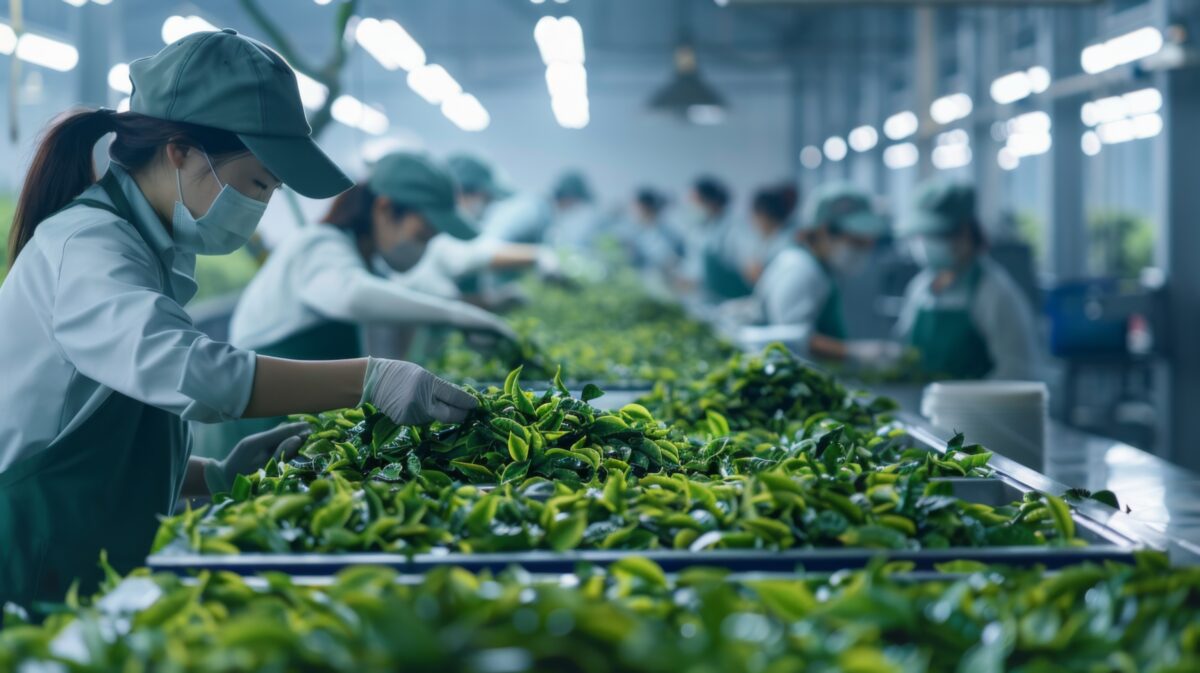 Freshly plucked tea leaves being processed
Remarkable Improvements in Tea Quality Characteristics
Enhanced Visual and Sensory Properties
Sensory evaluation revealed that oxygen-treated samples exhibited tighter and deeper-colored leaves, a redder liquor, fuller taste, and a sweeter fragrance compared with the control group. These improvements directly address key quality indicators that consumers and buyers value most.
Professional tea tasters identified several specific enhancements in oxygen-treated samples:
- Leaf Appearance: Tighter, more uniform leaf structure with deeper coloration
- Liquor Color: Significantly redder hue, indicating optimal fermentation
- Taste Profile: Fuller, more robust flavor characteristics
- Aroma Quality: Enhanced sweetness and complexity in fragrance
Scientific Color Analysis Confirms Visual Improvements
Chromatic analysis revealed significant increases in redness and luminance, accompanied by a reduction in yellowness, providing objective measurements that support the sensory findings. These color parameters serve as reliable indicators of quality in commercial tea production.
The measurable color improvements translate directly into market advantages, as consumers associate a deeper red liquor with higher-quality black tea. This scientific validation gives producers confidence in implementing oxygen treatment protocols.
Chemical Composition Benefits for Tea Manufacturers
Optimized Pigment Formation
Oxygen treatment enhances the formation of beneficial tea pigments while reducing undesirable compounds. Oxygen-enriched fermentation improves the taste of black tea by reducing the bitter and astringent metabolites, creating more balanced and appealing flavor profiles.
The controlled oxidation process promotes optimal theaflavin development, which contributes to the characteristic orange-red color and complex mouthfeel that premium black teas are known for. This scientific understanding enables manufacturers to produce higher-grade products consistently.
Reduced Bitterness and Astringency
One of the most commercially significant findings involves the reduction of harsh flavor compounds. Oxygen treatment specifically targets bitter and astringent metabolites, resulting in smoother, more palatable tea that appeals to broader consumer markets.
This improvement particularly benefits producers targeting premium market segments where balanced flavor profiles command higher prices and customer loyalty.
Practical Implementation for Tea Producers
Implementing oxygen treatment requires careful consideration of existing fermentation infrastructure. Producers need:
- Oxygen Supply Systems: Reliable equipment capable of delivering consistent flow rates
- Monitoring Capabilities: Tools to measure and maintain optimal oxygen levels
- Process Control: Systems to manage treatment duration and timing
- Quality Assurance: Methods to verify treatment effectiveness
Research indicates that oxygen supplementation at 8.0 L/min for 1-3 hours during fermentation produces measurable quality improvements. The flexibility in treatment duration allows manufacturers to customize approaches based on desired quality outcomes and production constraints. However, producers should conduct pilot testing to determine optimal parameters for their specific tea varieties and processing conditions.
Economic Benefits for Tea Sellers and Manufacturers
Premium Market Positioning
Enhanced tea quality enables positioning products in premium market segments where superior color and taste command higher prices. The scientific validation provides marketing advantages and supports quality claims to discerning customers.
Consistent Quality Control
Oxygen treatment offers predictable results, enabling manufacturers to maintain consistent quality standards across production batches. This reliability reduces waste and improves customer satisfaction through a consistent product experience.
Competitive Differentiation
Implementing science-based fermentation optimization distinguishes producers from competitors relying solely on traditional methods. This technological advantage supports brand positioning and market growth opportunities.
 Black tea processing
Quality Assurance and Testing Protocols
Monitoring Key Indicators
Producers implementing oxygen treatment should establish monitoring protocols for:
- Color Parameters: Measuring redness, luminance, and yellowness values
- Sensory Characteristics: Regular taste panel evaluations
- Chemical Composition: Analysis of theaflavin and thearubigin levels
- Process Variables: Oxygen flow rates and treatment durations
Standardization Opportunities
The research provides foundations for developing industry standards around oxygen-enhanced fermentation. This standardization benefits the entire tea industry by establishing quality benchmarks and processing protocols.
Future Applications and Industry Implications
This scientific breakthrough opens new possibilities for tea quality enhancement while maintaining traditional fermentation principles. The research demonstrates that controlled environmental modifications can significantly improve outcomes without compromising the authenticity of tea.
As consumer expectations for premium tea products continue rising, processes such as oxygen treatment provide producers with proven methods to meet market demands while maintaining profitable operations.
Scientific research conclusively demonstrates that strategic oxygen treatment during black tea fermentation produces measurable improvements in taste quality, liquor color, and overall product characteristics. This evidence-based approach provides tea producers, manufacturers, and sellers with practical methods to enhance the commercial appeal and market positioning of their products.
The controlled application of oxygen during fermentation represents a significant advancement in tea processing technology, providing the industry with tools to consistently produce higher-quality black tea that meets evolving consumer preferences and premium market requirements.

We will be back again with more interesting stories. Meanwhile, if you aren’t already, please follow us on LinkedIn, Instagram, and YouTube.
It means a lot to us!
Until next time.





Share this newsletter with a friend
Subscribe now and save 30% for unlimited access to Tea Journey Magazine.
Copyright © 2025 Mystic Media Custom Publishing
Tea Journey Magazine | Tea Biz Blog | Podcast
21 Roslyn Road | Suite 1108 | Winnipeg | MB R3L 2S8 | Canada | +1 204 230-7125
You are receiving this email because you signed up through our website or participated in a promotion.




Bhavi Patel
Bhavi Patel, known as Banjaran Foodie, is a distinguished tea and coffee expert with a background in dairy technology and brand building. As a trusted writer for renowned publications including Perfect Daily Grind, Barista, and STiR Magazines, she combines scientific expertise with storytelling to explore specialty beverages.