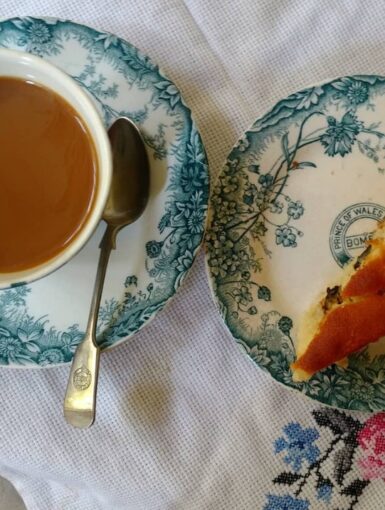

“Right from the tea workers who pluck the bud at the crack of dawn to the manager of the tea estates who still live in a time-warp in their colonial bungalows, laal saah rules the roost from morning to sunset. But don’t be fooled by its outwardly egalitarian existence, it is only a ruse. If one is inclined to look hard, then the differences unravel themselves…”
Read More• Chai Trail
Follow the spiced, storied route of chai from its roots to today.
When Tea Became Chai
If you imagined that Chai was part of the traditional Indian kitchens and comes with a long history, you’ll be surprised to know that chai is very much a 20th-century creation. This week, India celebrates Independence Day, and seeing how many celebrations feature Chai as a cultural motif, I thought it was a good time to talk about chai and how tea became Chai.
Read MoreOn a Chai Trail: The Bengali and their Cha
That the Bengali love tea is now legendary. And in Kolkata, the capital of West Bengal, tea is part of the social and cultural fabric. Our Chai Trail series takes readers up close and personal to the tea culture across India, and this story is a peek into the Bengali homes and the place that tea has in their lives.
Read MoreOn a Chai Trail – The Parsi Choi
Parsis call tea choi, not chai, cha, or tea, but choi. Choi was never, ever consumed on its own. There were always Bhakras, the soft cookies made with dough fermented using palm toddy, or chaapat, a flat, mildly sweet pancake. For special occasions, ghaari – thick dough discs filled with a mixture of bananas cooked in ghee, dates cooked till gooey, or a sweet dal paste were served.
Read More