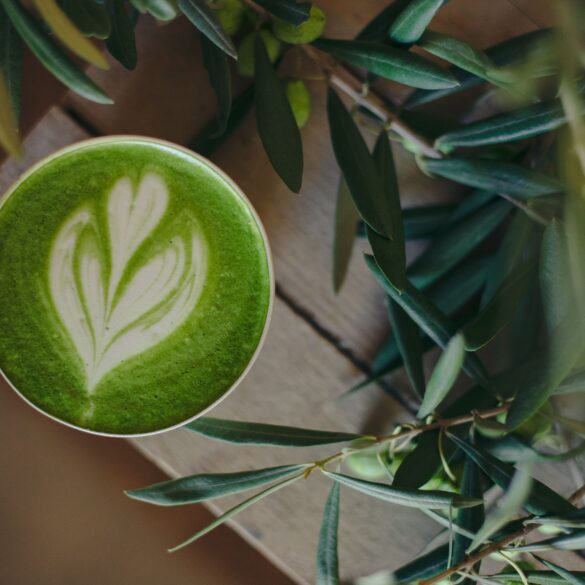


The vibrant emerald powder once reserved for the hushed tea rooms of Kyoto has officially conquered the world. From artisanal lofts in Brooklyn to bustling cafes in Mumbai, matcha has transcended its niche origins to become a global cultural pillar.
In 2026, the matcha market is witnessing an era of unprecedented scale. While global revenue hovered under $1 billion a decade ago, the pandemic acted as a catalyst, pushing sales to $4.2 billion by 2024, and projected to reach $11 billion by 2035. Today, with a dedicated global audience of nearly 100 million drinkers, matcha isn’t just a beverage – it is a multi-billion-dollar wellness economy.
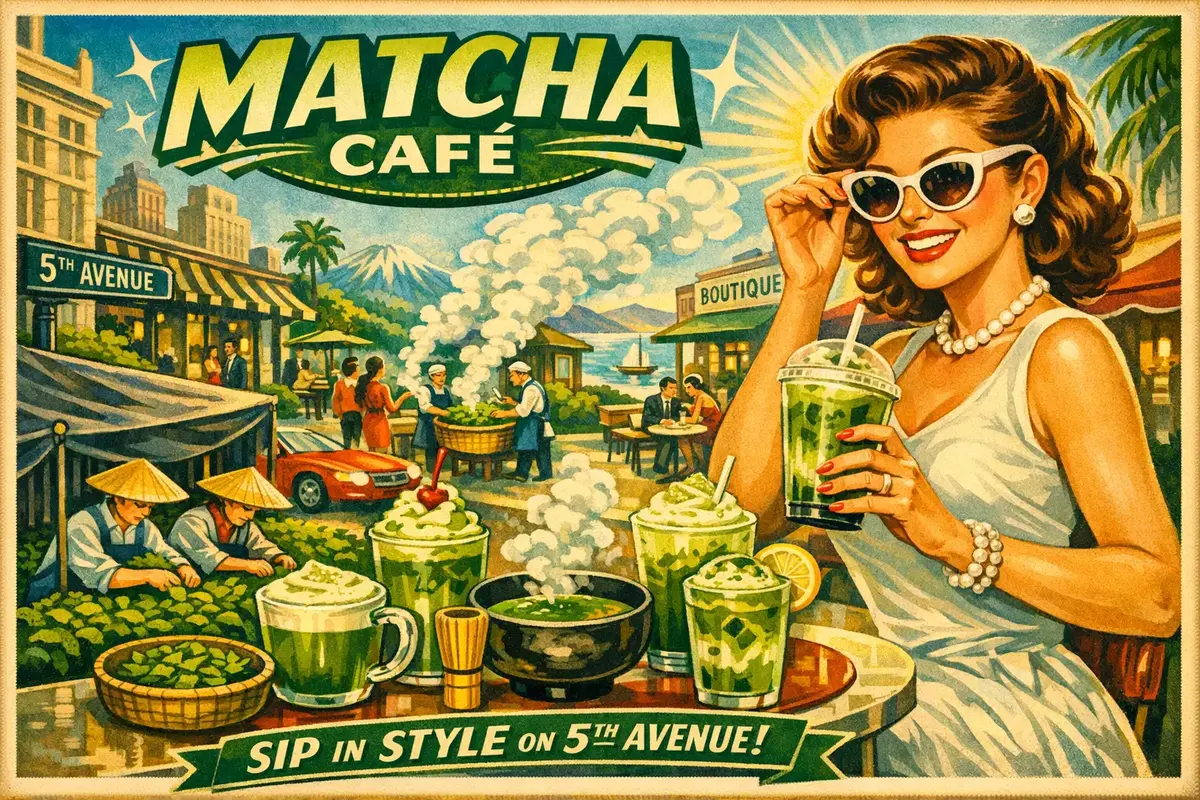
The Alchemy of Green: What Sets Matcha Apart?
Matcha is not simply “powdered green tea.” It is a nutritionally distinct superfood derived from specific cultivars, primarily Yabukita (70% of production) and high-end ceremonial varieties like Samidori and Oku Midori. Unlike steeped tea, where you discard the leaves, matcha drinkers ingest the entire leaf, unlocking a concentrated profile of vitamins and antioxidants.
The Art of the Shade
The secret to matcha’s neon hue and “umami” punch lies in tana shading. Three to four weeks before harvest, farmers drape the tea plants in dark cloth, blocking 70–90% of sunlight. This stress response forces the plant to overproduce chlorophyll and L-theanine, an amino acid that promotes “calm alertness.”
From Tencha to Powder
After harvesting, producers steam the leaves to lock in color and nutrients. They then remove the stems and veins, leaving behind “tencha.” Skilled artisans (or high-precision mills) stone-grind this tencha into an ultra-fine powder, producing a smoother suspension, but grade classification is determined primarily by leaf quality, harvest timing, and flavor—not particle size alone.
-
Ceremonial Grade: Particles measure 5-10 microns for a silky suspension.
-
Culinary Grade: Particles measure 10-20 microns, ideal for baking.
Ancient Lineage: The Chinese Roots of a Japanese Icon
While the world associates matcha with Japan, its DNA is unmistakably Chinese. During the Tang Dynasty (18–907 CE), tea was steamed and pressed into bricks. By the Song Dynasty (960–1279 CE), Buddhist monks in the Wushan mountains were already whisking powdered tea, or Mo Cha.
In 1191, the Japanese monk Eisai returned from China with tea seeds and the secrets of stone-grinding. He viewed tea as a “divine remedy” for physical and spiritual balance. Over the centuries, Japan refined these techniques. By the 16th century, tea master Sen no Rikyu codified the Chanoyu (tea ceremony), elevating matcha to a high art form centered on harmony, respect, and tranquility.

The Perfect Storm: Why Matcha is Dominating the 2020s
Several factors have converged to fuel matcha’s current dominance:
-
The “Clean Caffeine” Movement: Consumers are fleeing the “coffee crash.” Matcha’s combination of caffeine and L-theanine provides a sustained energy boost without the jitters.
-
Social Media Aesthetic: The brilliant emerald color is “algorithm gold.” On TikTok and Instagram, matcha lattes and smoothie bowls have become visual shorthand for a curated, healthy lifestyle.
-
Mainstream Accessibility: What started in specialty shops reached critical mass when giants like Starbucks, Dunkin’, and Pret A Manger standardized the matcha latte, making it as accessible as a cappuccino.
-
Gen Z Preferences: Younger consumers value diversity and functional benefits. For Gen Z, matcha is the sophisticated, health-conscious alternative to the traditional coffee routine.
A Greener Footprint: The Sustainable Choice
Matcha isn’t just better for your nerves; it’s better for the planet. Life-cycle assessments indicate that matcha production generates significantly lower carbon emissions than coffee.
| Metric | Matcha | Coffee |
| Water Demand | Low (Small, controlled plots) | High (Massive industrial scale) |
| Mechanization | Low (Emphasis on hand-picking) | High (Heavy machinery) |
| Processing | Minimal (Steam and grind) | Intensive (Roasting and transport) |
Because matcha farms in regions such as Uji and Nishio rely on traditional, low-impact methods, the environmental footprint is significantly lighter than that of the 9.5 billion kilograms of coffee traded annually.
The Future of Matcha: $11 Billion and Beyond
Analysts project the matcha market will hit $11 billion annually by 2035. This growth isn’t just coming from lattes; we are seeing a “Matcha-ification” of the entire consumer goods sector:
-
Ready-to-Drink (RTD): Canned matcha sparkling water and nitro-cold brew matcha.
-
Beauty & Wellness: Antioxidant-rich skincare, matcha toothpaste, and electrolyte powders.
-
Culinary Innovation: Everything from matcha-cured snack eggs to “umami dust” for savory dishes.
The Rise of New Matcha Terroirs
While Japan remains the gold standard, the “Green Revolution” is going global. China is scaling production to meet high-volume demand, while Vietnam, South Korea, and even California and Hawaii are experimenting with local tea plantations.
The Verdict
Matcha’s journey from ancient Buddhist monasteries to the global market in 2026 is a masterclass in cultural endurance. It has successfully pivoted from a rigid ceremony to a versatile lifestyle staple without losing its soul. As we move toward a more health-conscious and sustainable future, the world’s obsession with this green powder is only just beginning.
See Related
A Bowl of Matcha at Hosen-in, Kyoto | Damien Kinney