Explore the future of Tea Education with the innovative Tea Color Wheel developed by the Australian Tea Masters, seeking to enhance communication and tasting precision.
Read More



Journey through leaves and brews that define the world’s cups.
Explore the future of Tea Education with the innovative Tea Color Wheel developed by the Australian Tea Masters, seeking to enhance communication and tasting precision.
Read More
Strategic oxygen treatment during black tea fermentation significantly improves taste profiles and liquor color quality through optimized processing methods. This scientific breakthrough offers tea producers, manufacturers, and sellers evidence-based methods to enhance their product quality through optimized fermentation processes.
Read More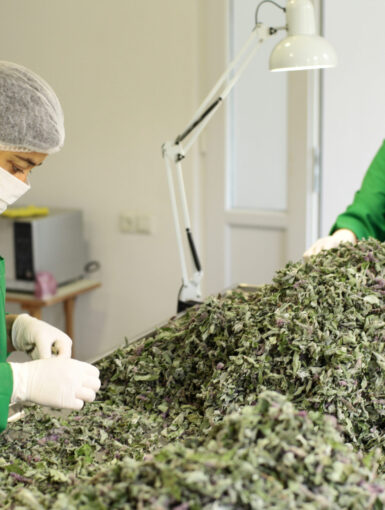
Armenia’s herbal teas have ancient roots, with shepherds collecting wild herbs from mountains and valleys. Today, brands like Nazan and MounTea continue this tradition, creating natural remedies.
Read More
Explore the fascinating juxtaposition of India’s hot chai culture with the burgeoning trend of iced teas and cold brews, and delve into how traditional Indian tea consumption is adapting to modern preferences for cold beverages, especially among the younger generation.
Read More
Jean-Marc Sanchez is pioneering the photovoltaic greenhouse concept in tea production and is the first to cultivate tea in the Occitan region of Southern France.
Read More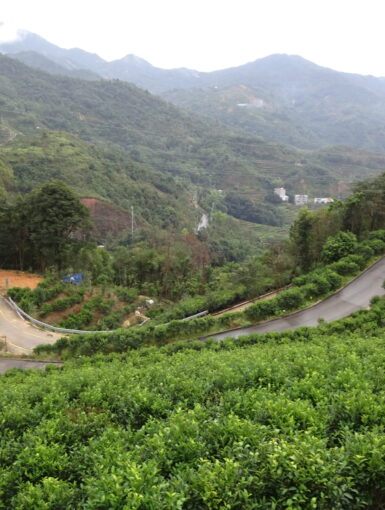
In the Phoenix Mountains in China, the Dancong Oolong reigns. We meet 33 year old Huang Huan who chose to return home to take over his family tea farm. He has made it his mission to produce only organic oolong from his 10,000 trees.
Read More
When asked what the key to a successful blend is, the first word that comes is “love,” love of the plant and love of the producer, from which stems a desire to always enhance the products and never distort them.
Read More
If you imagined that Chai was part of the traditional Indian kitchens and comes with a long history, you’ll be surprised to know that chai is very much a 20th-century creation. This week, India celebrates Independence Day, and seeing how many celebrations feature Chai as a cultural motif, I thought it was a good time to talk about chai and how tea became Chai.
Read More
In our Tea Discovery series, we make our acquaintance with Argentinian powdered tea, resulting from experiments by farmer Mario Paredes. “Tea plantations were being destroyed because black tea had stopped being profitable.
Read More
In the lower elevation gardens of the Lumbini tea estate, bordering the pristine Sinharaja Forest, a decade-long pursuit has led to a special white tea range, produced in small batches for discerning tea seekers.
Read More
Fatherhood is not just about being there physically but also about being emotionally present and engaged. Boys are motivated to create and sustain meaningful relationships when they witness this healthy behavior in their fathers.
Read More
Ichō or ichoucha is withered tea. The first process in producing Japanese green tea is steaming the leaves as soon as they are picked to stop oxidation and keep their strong green color. However, by withering them first, the leaves undergo a slight oxidation between harvest and steaming, bringing out the floral notes.
Read More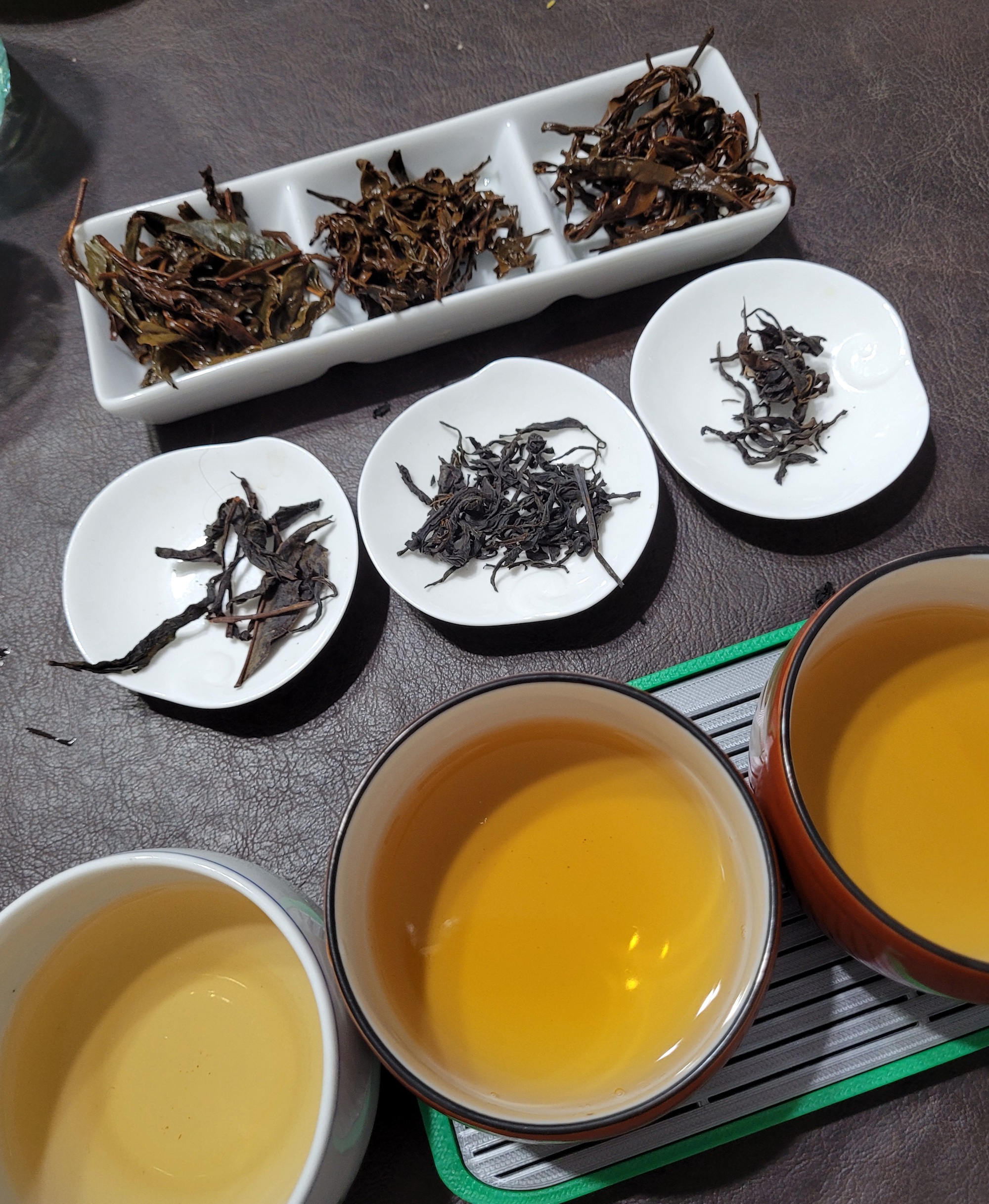
In January 2024, once my South American trip was in its full planning stages I emailed Dan Bolton: Did he know of any passionate tea person in Buenos Aires? His reply came swiftly: Horatio Bustos of Gyokuro Circulo Argentino de Te. Buenos Aires is some 5,659 miles from Kansas City, […]
Read More
A tea enclave has emerged amid the Pyrénees Mountains, a natural barrier between France and Spain that runs over 430 kilometers from the Mediterranean Sea to the Atlantic Ocean. A young agronomist, Lucas Ben-Moura established a new terroir in the Argelès-Gazost valley, a few kilometers south of Lourdes.
Read More
Masala chai is like a mini meal, as it not only includes the well-documented health benefits of tea but also has protein and calcium from milk, anti-inflammatory properties from ginger, and superfood benefits from spices.
Read More
Rose reserve tea is not just a mark of the enchanting flavors fostered by Nepal’s unique high-altitude micro-climates and terroir but also an embodiment of the keen talent of a new generation of tea-makers.
Read More
Teabags are easy to deal with; sachets are also easy but somehow fancier and certainly more expensive; and loose leaf is even more expensive and is often much more complicated to brew. As a nerd, I decided to look into the issue by buying the same tea packaged as a teabag, sachet, and loose leaf, to see the differences. Presumably, then, they will all taste the same when brewed. (Spoiler alert: they don’t!)
Read More
Planter Rishi Saria is reinventing tea production in the fabled Darjeeling hills. “It has been over a hundred fifty years since the British brought Chinese tea to Darjeeling and over three-quarters of a century since they left,” he says, “yet we Indians continue to process tea the same way the British did rather than learning from our fellow Asians.”
Read More
Farmers and other locals run the five-hour tea-making workshop near Japan’s Yamazoe Village. Tea Journey contributor Greg Goodmacher attended to learn from teacher Kenichi Ikawa Sensei how to select, pan-fire, and hand roll freshly picked raw leaves transforming them into sencha tea using centuries-old techniques.
Read More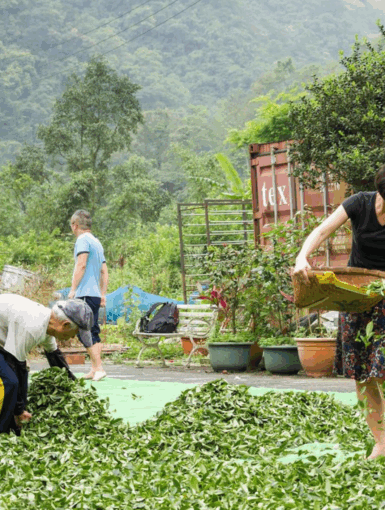
Before the advent of electricity, all oolong tea was charcoal roasted to reduce moisture in the leaf. It’s only natural that many producers choose the gentle, stable heat of electric burners and ovens. It makes tea roasting easier and more consistent. The tea makers who remain loyal to the charcoal fire often learned by tending the coals at a young age as part of a long-standing family tradition. Others find that they simply cannot resist its captivating call.
Read More
Spring begins a romance as jasmine flowers meet the newly plucked tea. Spring green tea and summer jasmine flowers are mixed at a strictly-calculated ratio. Hundreds of processes exist to make the miracle tea. The bitterness of tea and the sweetness of flowers are a perfect compliment. Jasmine grown in Hengzhou meets the high expectations of famous brands at home and abroad.
Read More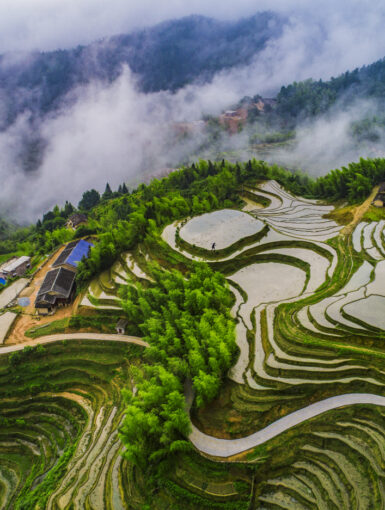
Mountainous Suichuan county in Jiangxi Province offers an incomparable microclimate for local cultivars, producing an exceptionally tender leaf. Gou Gu Nao Green Tea is highly prized. The processing method is quite complicated. It is refined through eight processes. The shape of Gou Gu Nao Tea is tight and rolled to a slight curl. The color is bright green, the aroma is fresh and elegant, and the taste is fresh and thick with a sweet and long aftertaste.
Read More
Argentina’s National Institute of Agricultural Technology (INTA) is a cutting-edge organization in the Agro-technological sector in agricultural research, extension, and innovation. The institute is a decentralized state organization with operational and financial autarchy, associated with the Ministry of Agroindustry. INTA operates in the five ecoregions of Argentina (Northwest, Northeast, Cuyo, Pampeana, and Patagonia) through a structure that includes: a central headquarters, 15 regional centers, 52 experimental stations, six research centers, 22 research institutes, and more than 350 Extension Units.
Read More
Meitan Cuiya is an early spring green tea oxidized for a few hours in the shade before processing. It is made from high-quality fresh and tender tea leaves and undergoes 20 complex processes, including spreading, fixing, shaping, and drying. The leaves appear straight and flat. The aroma is long-lasting above a bright green liquor. The tea has a fresh taste with abundant amino acids, polyphenols, and vitamins.
Read More
With its 1,800 hectares of soil, the Jersey Royal is spoilt for choice when it comes to deciding where to plant tea. The islands’ acid soil is perfect for the tea plant to grow. Thanks to the Gulf Stream, Jersey winters are mild, without any risk of frost, while summers are moderately warm and sunny. The island’s high humidity also provides ideal conditions for the tea plants to thrive.
Read More
Growers in Anhua county invented the dark tea processing technology before 1524, which led to the rise of dark tea production and marketing. The compact and easily transported tea was very popular locally and in 1595, Anhua dark tea was formally designated as the “Official Tea” of the Ming dynasty government making it a regulated form of currency.
Read More
Tanyang Gongfu tea is experiencing notoriety as well as increased demand that dates to the 1980s when local growers collectively raised their production standard, earning a reputation for quality hongcha (red tea). The tea is grown in Fu’an which takes its name from a poem in which a Song dynasty emperor bestowed five blessings: “Lucky Heaven, Lucky Earth, Lucky Mountain, Lucky Water, and Lucky Tea.”
Read More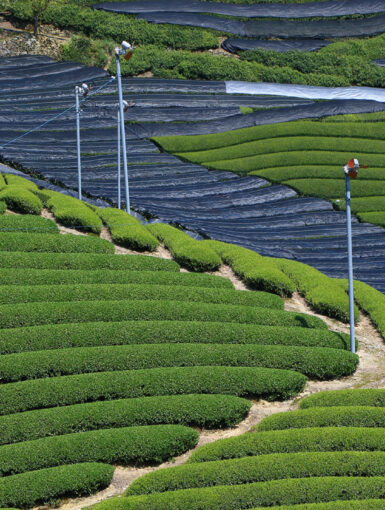
The aroma that swirls from a package of gyokuro, especially one of the highest grades, is so extraordinary that you could stop right there and be satisfied. The aroma that swirls from a package of gyokuro, especially one of the highest grades, is so extraordinary that you could stop right there and be satisfied.
Read More
Shun the expensive spring water If you want a better-tasting cup of green tea ― your water of choice should be from the tap. If it is health benefits you seek, choose bottled or deionized water for superior extraction of catechins, nearly double that of tap water.
Read More
During the past few decades, all types of tea, from herbal to Pu’er, have re-emerged in premium formats favored by younger generations. “What makes the super-premium tea category unique, in my view, is the importance of storytelling with regard to ingredient origin, processing, and functional appeal,” says Euromonitor Beverage Analyst Howard Telford.
Read More
What would rhyme have to do with a tea’s aftertaste? To understand the many layers of this play on words, it is important to know that Chinese singing and by extension Chinese poetry have a Yang (masculine) and Yin (feminine) rhyme system.
Read More
Wang Hai tea is a pre-Qingming green tea that is grown on Mount Tiantai in China’s Zhejiang Province.
Read More
Fu Brick Dark Tea, also known by its visually descriptive name of Golden Flower Dark Tea, is a relatively unknown fungi tea in China that is awaiting one clever and energetic entrepreneur to bring it into mainstream awareness in the West.
Read More
We don’t yet fully understand why time of day matters when plucking tea leaves. At dawn leaves wet with dew may take longer for drought responses to set in. Differences at mid-day may arise because of the circadian rhythm of aroma volatile production. Master tea makers know these patterns and […]
Read More
A growing body of studies of leaf chemical composition is beginning to support the experienced tea maker’s choices. A striking difference is found in chemical composition as you go from the shoot to lower leaves. We often hear that the best loose-leaf teas come from buds or shoots, the […]
Read More
From drones to DNA fingerprinting, technology is enhancing tea without reducing quality.
Read More
Tea farmer, seller, event coordinator, gourmet, and nationally certified tea appraiser, Yasuhiko Kiya radiates love for his tea-growing neighborhood, Japanese tea, and his son, who will become the fourth generation to run the family business.
Read More
This is an unusual Tea Journey review: a kit of 45 vials of chemical compounds that correspond directly with the primary scents of tea. The Tea Aroma Kit: Mastering Tea’s Language of Smell is an experiential tool supported by a short guidebook and a mapping of the scents in relation […]
Read More
If you are wondering if tea can help you sleep better, the quick answer is yes so long as the tea is caffeine free.
Read More
There’s the only one method of tea grading that amounts to a system: pekoe grades. It’s comprehensive, precise, arcane – and also easy to misinterpret.
Read More
Background Yellow Goddess of Mercy, also simply known as 105, is a relatively new oolong tea from Mount Wuyi in China’s Fujian Province. It was officially introduced in 2003 after 20 years of hybrid experimentation. A creation of the Fujian Tea Research Institute, it is a cross of the famous […]
Read More
Peter Luong is not a tea mystic. The founder of San Francisco’s Song Tea & Ceramics knows and values the subtle, complex characteristics of tea, but displays a polite skepticism about the many claims for its physical and mental health-enhancing abilities. “I don’t like the ‘fetishing’ of tea,” he says. […]
Read More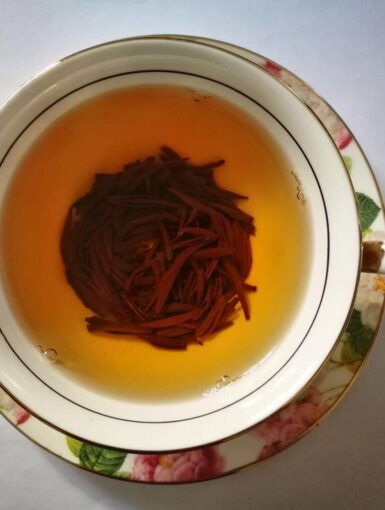
Red teas in China are experiencing a Renaissance. One of the most sought after of the high-end red teas is Jin Jun Mei – a fully oxidized tea created in 2006. It is made wholly of tea buds picked in early spring…
Read More
Global beauty industry embraces tea’s rejuvenating power “We’ve benefited from rising awareness among about the detoxing power of puer tea and the virtues of drinking this unique tea.” A few years ago, “polyphenols” and “flavonoids” weren’t considered sexy beauty product ingredients. Now, thanks largely to the use of multiple kinds […]
Read More
Tea Journey last spoke with luxury Franco-Sino skincare line Cha Ling’s Director of Development Elodie Sebag two years ago about the then-new line’s focus on puer tea as its key ingredient. Here is an in-depth update about the line’s new developments. Tea Journey: What has been the response to the […]
Read More
Eons of evolution in the ancient tea forests of China has established a complex and delicate biomass. The gnarled, pale-grey and green trunks of the oldest trees are home to myriad adaptations of spiders, lichen, and the tree parasite known to locals as crab pincer, a tea mistletoe.
Read More
Tea offers adventures unlike those of any other beverage. We can all invoke our own special and intimate adventure in our minds and senses as we sip our cup. The first step begins with our eyes. We anticipate the adventure as we look into the cup, even before the tea’s aroma wafts to our nose.
Read More
There is a revolution going on in South India, right under our noses. Up until the late 1980s perhaps, South Indian tea – from Karnataka, Tamil Nadu, and Kerala – was predominantly comprised of mid-grade CTC (cut, tear, curl) produced for the local market. In addition, there was a range […]
Read More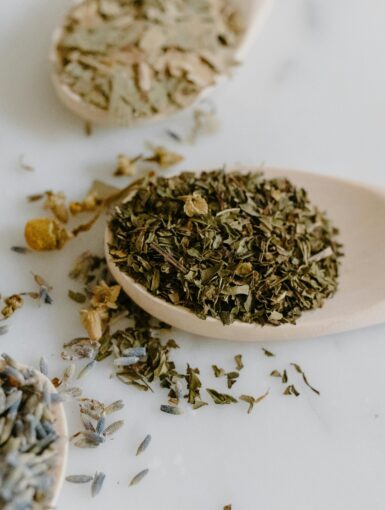
There’s been a growing shift in the strange, unfamiliar and exotic words you’ll see on a tea ingredient label or description: it can be summarized as yesterday chemistry and botanicals today (and probably biogenetic propagation tomorrow.) Yesterday’s chemistry: sodium caseinate, modified corn starch, resveratrol extract, riboflavin, soy lecithin, ascorbyl glucoside, […]
Read More
KYOTO, Japan — This time-lapse video captures the beautiful birth of this year’s shincha harvest. A special video camera, positioned at the Nakakubo Tea Farm, advanced a few frames every 5 minutes for about 30 days last month to show us the dance of the new leaves. The digital […]
Read More