


The Republic of Armenia is a landlocked country in the Armenian Highlands of West Asia. With a population of three million, Armenia is a land of rugged mountains and extinct volcanoes. Approximately 77% of the territory lies at altitudes ranging from 1,000 to 2,500 meters (3,200 to 8,200 feet) above sea level.
Neighboring Georgia, Azerbaijan, and Turkiye cultivate Camellia sinensis. Armenia also did so under Soviet rule, contributing to a combined Caucasus harvest of 140,000 metric tons. However, the most notable products of Armenia today are its herbal teas.
Herbal tea in Armenia has a rich history dating back to ancient times, when locals began collecting wild herbs from the mountains, valleys, and forests. Armenia’s diverse flora, including alpine meadows, fertile valleys, and semi-desert regions, provided a wealth of medicinal plants.
Armenian Herbal Teas: Legends and Spiritual Practices
Many herbs, such as mint, thyme, chamomile, and wild rose, became important components of blended Armenian infusions over time. Historical Armenian manuscripts frequently mention the use of these herbs in traditional medicine. Doctors mixed these herbs to create blends tailored to the body’s seasonal needs.
Armenians linked herbal teas to spiritual practices. Armenian Apostolic Church monks often consumed special herbal blends during fasting or spiritual ceremonies. Over time, herbal tea evolved into a daily beverage, especially in rural communities.
There are many legends about the discovery of tea. For example, there is a legend according to which the ancient shepherds noticed the vigor and good health of the sheep that ate the leaves of the tea tree.
Today, tea is commercialized by small and medium enterprises in Armenia. The very concept of “tea” now has a broader meaning. It can be a drink brewed from imported leaves, combined with various herbs, spices, and fruits.

Armenian Herbal Infusions
Primarily, Armenian tea producers use a few common herbs.
Mint
Since ancient times, mint has been one of the most widely used herbs in Armenia. It has a beautiful aroma, and its pleasant taste helps to boost immunity while calming the nerves. Additionally, the mint infusion helps villagers alleviate abdominal pain, nausea, and convulsions.
Thyme
Thyme is widely used in folk medicine. The tincture and decoction of this plant are effective in pneumonia, bronchitis, pharyngitis, and angina. Additionally, regular consumption of cooked thyme helps regulate digestion, alleviates stomach pain, reduces flatulence, and maintains intestinal microflora balance due to its antiseptic properties.
Chamomile
Chamomile is rich in proteins, pectin, beneficial acids, essential oils, and flavonoids. It has an absorbing, anti-inflammatory, sedative, emollient, choleretic, sedative, and analgesic effect on the body. This natural antispasmodic fights stress, depression, irritability, and insomnia. Tea with chamomile accelerates bile production, helps alleviate gastritis, and supports the restoration of intestinal microflora.
Mixing the Herbs
Along with the unique taste and smell, these herbs also have charming properties. Therefore, their bouquet can be considered a universal remedy for all types of infections. Trying to taste the mix of these herbs, you will feel the breath of the wind of the mountains of Armenia. Moreover, since they contain only natural substances and do not poison the body, you can use them daily and in limitless quantities.
Key Armenian Tea Brands
Nazan
One of the most renowned Armenian-owned tea brands is Nazan. With their original packaging and artwork, Nazan offers six flavors of Armenian teas that are ecologically clean. Each has its own original and distinct name for packaging. However, all of them serve different purposes, ranging from improving brain function to enhancing heart and gastrointestinal tract health.
MounTea
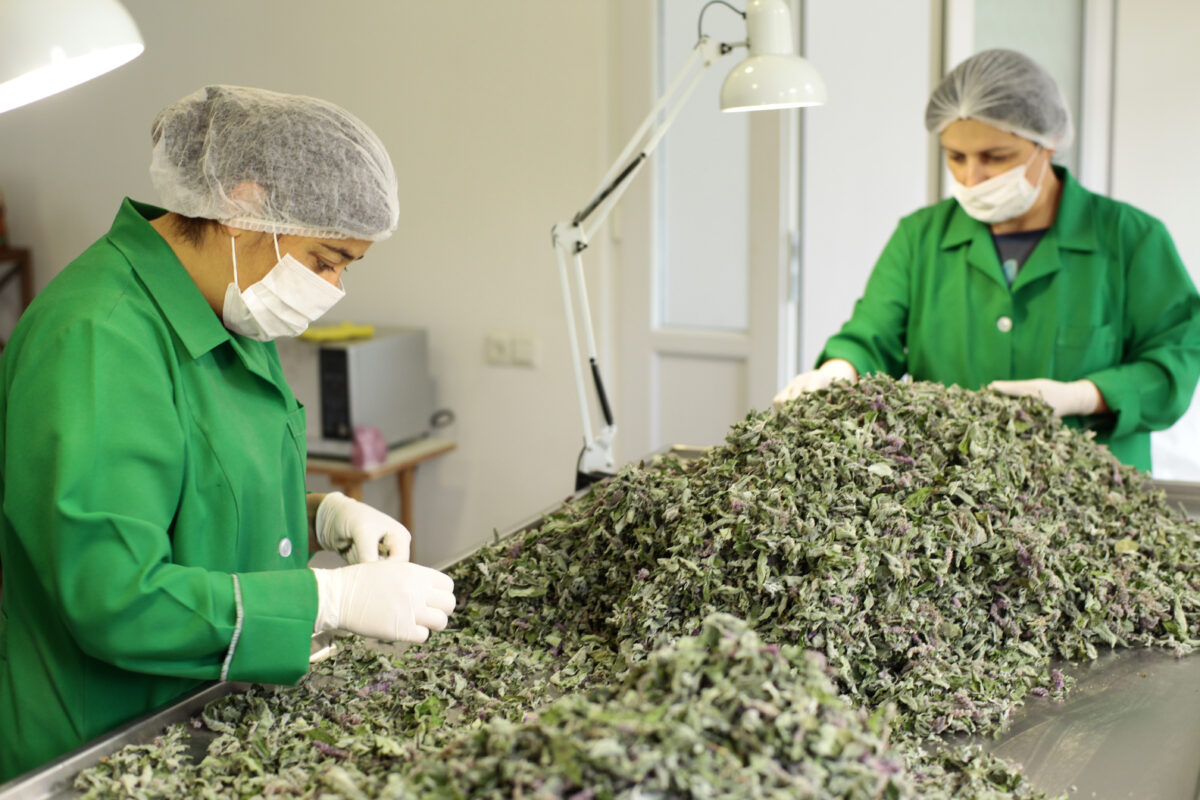
Mountea is a herbal tea from the high mountainous regions of Armenia. It is processed using traditional means. MounTea’s team harvests the herbs from the Vayots Dzor region. The company also imports black tea from India. Initially, the variety of products was available in four flavors. Over the years, the assortment has expanded to include up to nine tea flavors.
TeaYan
Another well-known Armenian tea brand is TeaYan, which became quite popular with the last ‘provocative’ banner ads in the streets of Armenia. As the name suggests, it is an Armenian tea, as the ‘Yan’ in TeaYan indicates its nationality. Teayan is a handmade herbal tea crafted from the aromatic flowers, plants, and berries of the Armenian mountains. Each ingredient in each tea bag is weighed in individual grams, like gold.
Partez
The next Armenian-owned tea brand is Partez. Harvesters collect herbs and berries from the fragrant fields and highlands of Armenia and Artsakh to create the Partez-Herbal Tea. Herbal teas are entirely natural and possess numerous valuable properties. This includes increasing immunity, improving digestion, lowering blood pressure, activating metabolism, and exhibiting analgesic, anti-inflammatory, and anti-stress effects.
Darman
In 2014, with the help of herbal infusions, the Nazanyan family managed to recover from a serious illness. Impressed by the result, the Nazanyans decided to share their own life experience of nature’s healing power with people. They founded an organization specializing in the creation of herbal teas, infusions, and other natural products. This is how the idea of ‘Darman‘, which is translated from Armenian as ‘’remedy/cure’’, came to the world!
In the mountains of the Tavush Region, farmers sustainably cultivate Armenia’s renowned herbal infusions, gathering, blending, and combining top-quality herbs in season.

The European Union Support for Armenian Herbal Teas
Armenian tea growers have received expert advice on how to enter new markets and present their products on leading international platforms under the EU4Business Eastern Partnership, Ready for Trade program, funded by the European Union.
As part of the program, local SMEs have established business contacts with international buyers at major trade fairs, including BIOFACH, the world’s largest organic food trade fair; SIAL, the world’s largest food processing exhibition; and ANUGA, the world’s largest international food and beverage exhibition.
Herbal teas have already gained popularity in various countries, including EU member states. They have received high praise from even the German Chancellor. Nevertheless, local manufacturers continue to seek new opportunities to strengthen their positions in the international market. They also seek to develop their company’s brand.
In 2015-2016, EDNA and its Darman products were available mainly in Armenia. Entering international markets meant EDNA had to develop a new approach to branding and packaging for its new assortment of Darman teas and create corporate branding documents. This became possible with the support of the “Advice for Small Businesses in Armenia” program, run by the EBRD with funding under the EU4Business initiative.
Gnel Nazanian, Executive Director of EDNA, said: The EU support was a significant step for EDNA to improve market performance and launch a new product. As part of the project, Edna LLC launched a new set of Darman teas. This included a new packaging design for the assortment of 9 different Darman tea blends, adapted for three different segments: HoReCa, economy, and premium.


Expert Support for Local Armenian Producers
“Two-month expert support made it possible to take all the necessary steps: concept development, copywriting, packaging design, tea label design, and the final processing of the print file. Within three months, the team brought the developed branding to life,” added Gnel Nazanian.
International tea expert Angela Price noted, “The export potential of Armenian herbs is huge. The main challenge will be to ensure that their products are legally compliant with the standards for selling as health products in the retail market. In particular, if a company sells the product for health reasons, it must ensure, due to legal requirements, that the brand does not mislead customers or make false claims.” Angela also advised Armenian tea producers on the project. According to her, sales of traditional black teas are declining as consumers shift to herbal and fruit infusions; therefore, Armenian producers are planning to launch a new range of fruit tea blends.
See Related
Russia’s Dark Secret: Baikhovy Tea | Mainbayar Badarch
Kyrgyzstan: A Country of Mixed Tea Culture | Mainbayar Badarch
Uzbekistan: A Country of Green Tea | Mainbayar Badarch
Kazakh Culture is Centered on Tea | Mainbayar Badarch
Azerbaijan Growers are Restoring its Tea Legacy | Mainbayar Badarch


One Comment
Leave a Comment
You must be logged in to post a comment.
I Like armenia.