Armenia’s herbal teas have ancient roots, with shepherds collecting wild herbs from mountains and valleys. Today, brands like Nazan and MounTea continue this tradition, creating natural remedies.
Read More
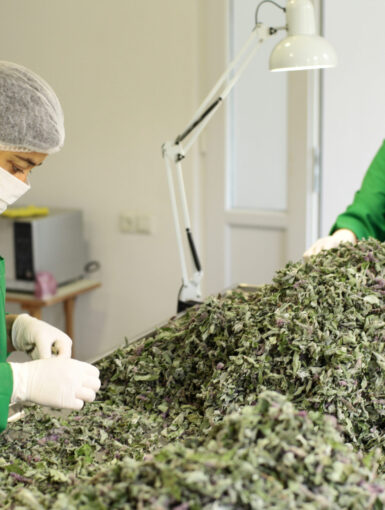


Armenia’s herbal teas have ancient roots, with shepherds collecting wild herbs from mountains and valleys. Today, brands like Nazan and MounTea continue this tradition, creating natural remedies.
Read More
When you visit an Uzbek family, don’t be surprised to see them pour very little tea into your bowl. Tea is poured into the bowl little by little, literally for 1-2 sips. This is a sign of special respect for the guest. The more often the host pours tea into the guest’s cup, the more precious the guest is to him.
Read More
If you decide to visit a Kyrgyz teahouse, first of all you should take off your shoes, then lie down on the carpet near the dastarkhwan (traditional table cloth), on which there is a bowl and a teapot with aromatic hot tea. You can spend the whole day in a teahouse, because time flies unnoticed over a cup of good tea and friendly conversations.
Read More
Tea plays an essential role in Kazakh culture, as no celebration or family feast is held without drinking tea. Sharing tea is a ritual of unity. When someone visits a Kazakh family, tea is served first. The custom, called syi-ayak, begins with the washing of hands. The tea is ladled into a ceramic drinking bowl called a Piyala (Piala).
Read More
Depending on the variety and quality, the price of local tea in the domestic market ranges from $4.70 to $29 (8-50 manats) per kilogram. Recently, farmers say, the demand for higher quality has increased markedly. People have discovered that local products are of better quality, and therefore they are willing to buy Azerbaijan tea, despite the apparent high cost.
Read More
Russian tea culture emerged from 17th-century Mongolian trade, evolving into a cherished tradition featuring samovars, baikhovy tea, and elaborate brewing rituals. Learn more about Russia’s tea culture and rituals, as Tea Journey writer, Mainbayar Badarch takes you through the history and culture of the region
Read More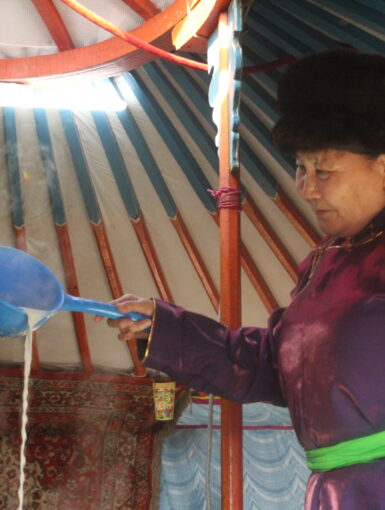
A stimulating hot beverage is critical in the harsh Mongolian climate, where the average altitude is 5,180 feet above sea level, and temperatures swing from -40°C to +40°C in summer. Tea is ever present. Breakfast in Mongolia is drunk, not eaten.
Read More