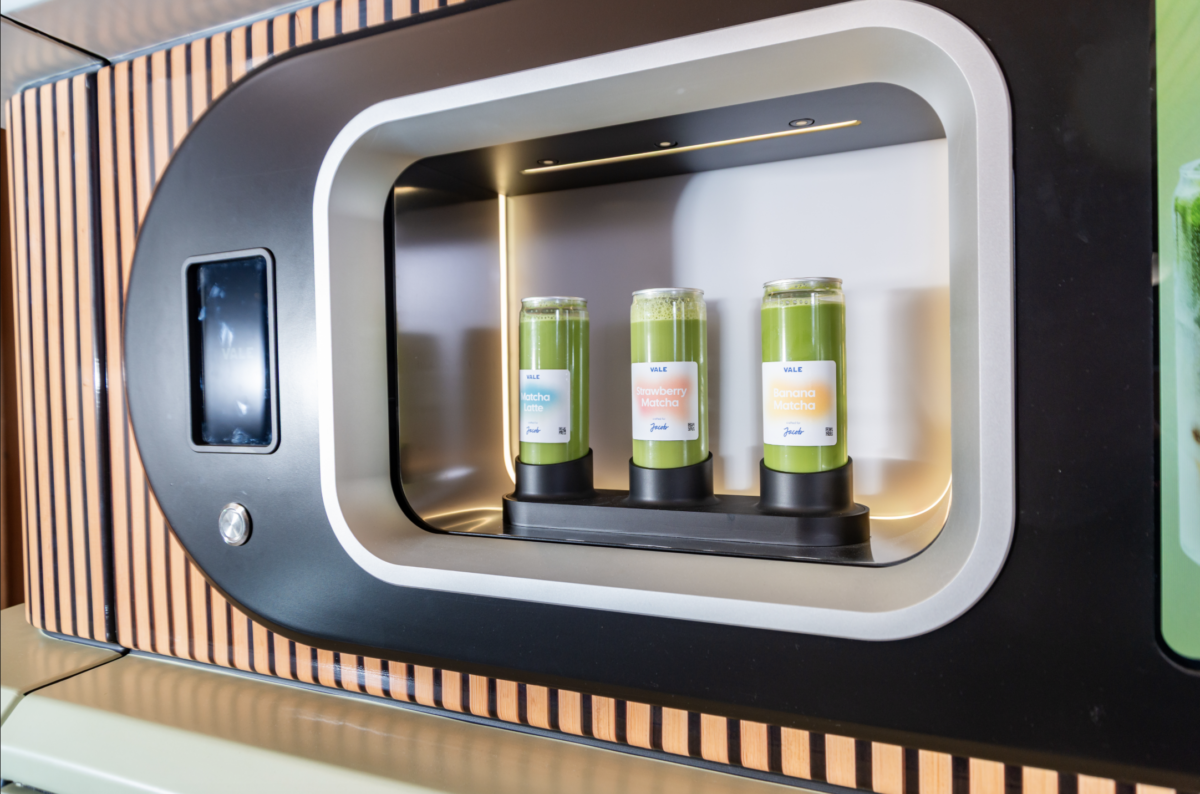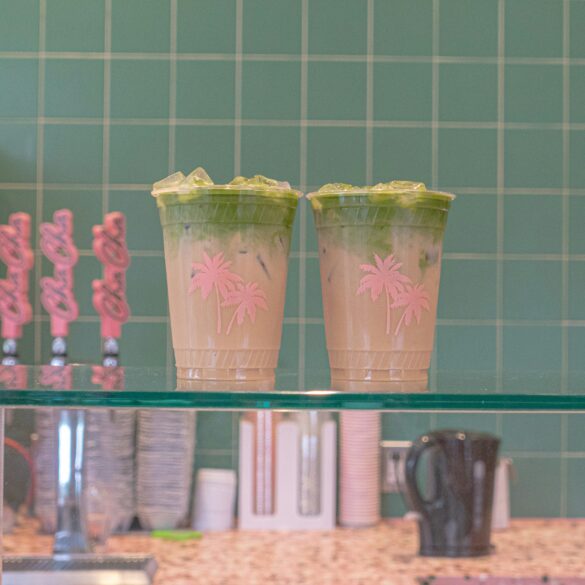


Can the Pacific Northwest produce commercially viable tea and exceptional matcha at scale? And will other growers join Vale Farms in building a regional tea industry modeled on Napa Valley and the Willamette wine region? Those questions are at the heart of our SPOTLIGHT conversation with Luke Larson, CEO and Founder of Vale.
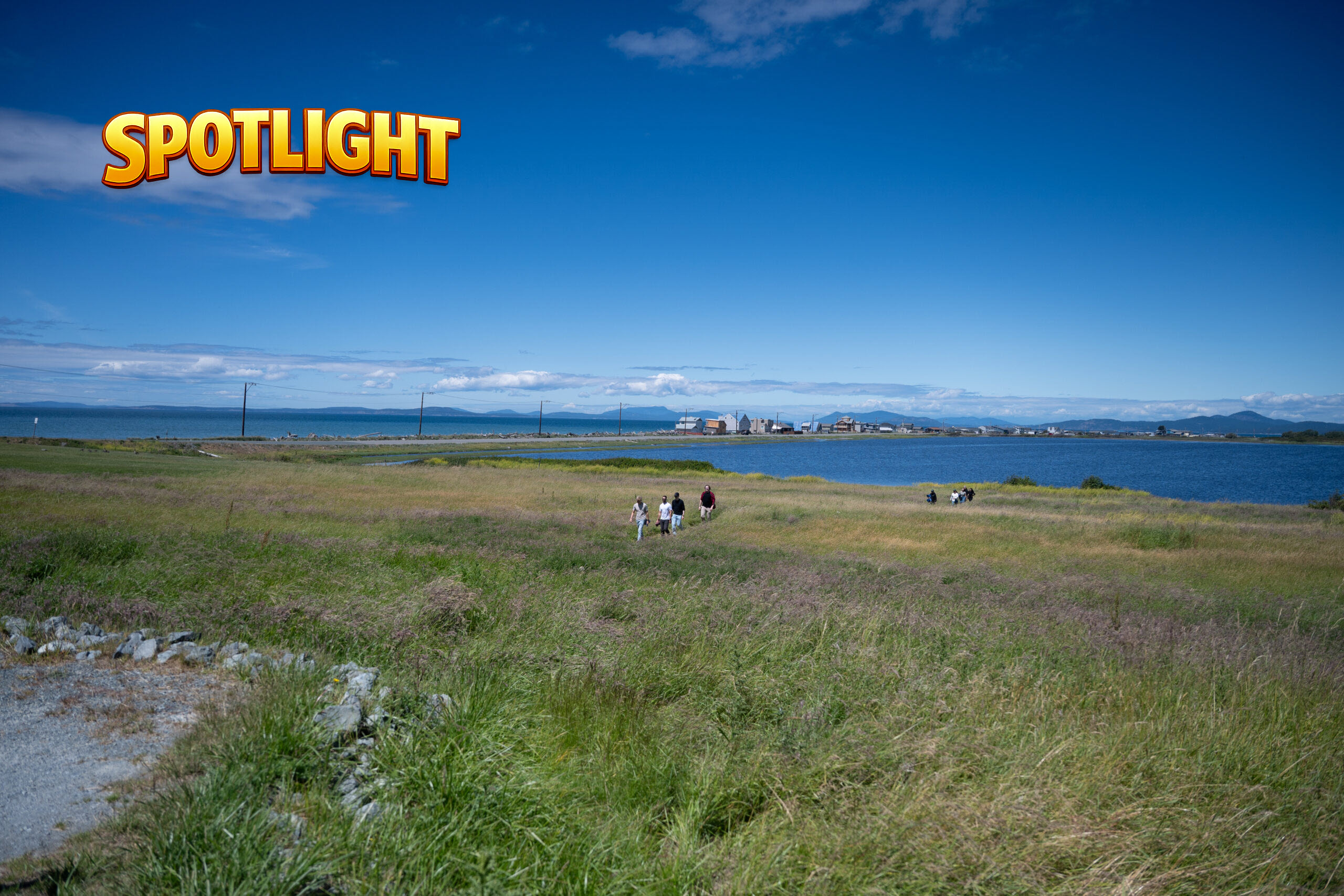
From a Seattle café to a tea farm and processing facility, Vale’s venture to grow ceremonial-grade matcha in Washington state includes a wider vision for tea agriculture in Cascadia.
When Vale Matcha founder Luke Larson and his business partner, Chef Jeffrey Hayden, prepared to open a café in Seattle’s South Lake Union neighborhood in early 2025, they struggled to get high-quality, ceremonial matcha because of global demand. That supply problem prompted a question that would take them from café planning to a bold vision for tea agriculture: Could they grow tea in the Pacific Northwest?
In this SPOTLIGHT interview, Luke describes Vale’s first three acres of tea on Whidbey Island, a planned greenhouse and a 30,000-square-foot processing facility. With a first harvest about five years away, he says Vale will continue sourcing from Japan while building its farm. He welcomes visitors and is exploring partnerships to share infrastructure and help other growers. His ambition reaches beyond one business: he envisions a Cascadia tea community inspired by the wine regions of Napa and the Willamette Valley.
Interview by Tea Biz Correspondent Jessica Natale Woollard.
Jessica: How did opening a Vale Matcha café lead to this bold vision for growing and producing matcha in Washington?
Luke Larson: In early 2025, my business partner, Chef Jeffrey Hayden, and I were looking to open a café in Seattle’s South Lake Union area, and we couldn’t get any matcha. The world has fallen in love with matcha, and there’s not enough. That led us to a question that kicked off Vale Farms: Could we grow tea in the Pacific Northwest? That question set us off on an incredible adventure.
Jessica: How do you go from one café to an enterprise of this scale?
Luke: When we asked that question—can we grow tea in the Pacific Northwest—a few team members and I flew to Japan. We met with multiple farmers, distributors and equipment manufacturers, and we really sunk our teeth into what’s going on with tea farming in Japan, but also whether there’s going to be enough supply to meet the demand for high-quality premium matcha.
We left there asking that question again: Can we grow tea in the Pacific Northwest?
We found they’ve actually been growing tea in Washington State and Oregon since the late ’80s. Minto Island Tea Farm, just outside Salem, Oregon, was the first and probably at that time the largest small commercial tea farm in the Pacific Northwest.
Researchers at Washington State University have confirmed that tea can be successfully grown in the region. Through field trials and propagation research, they have found that multiple varieties are thriving, making Washington an exciting place to explore tea as an agricultural crop.
Jessica: What is your vision for the Pacific Northwest and the wider tea industry?
Luke: First and foremost, our goal is to become a commercially viable tea farm, grow exceptional tea and make great matcha. We also have a secondary goal: to create a world-class hospitality experience.
We’re really big fans of the wine culture that happened in Napa Valley in the ’70s and what the Willamette region did for Pinot Noir. They’ve rallied together: a rising tide lifts all ships.
We want to be a pioneer in showing we can grow great tea—and great matcha—in the Pacific Northwest. We’re encouraging other people to join us in this movement.
Jessica: How did you select the tea plants for the farm?
Luke: Our goal isn’t to try to recreate Japan. We are students. We’re learning from our Japanese partners and other tea farmers who have been doing this a lot longer than us.
One of our partners is Eva Lee, who runs Tea Hawaii on the Big Island in Hawaii with her husband, Chiu Leong. They’ve been growing tea for 25 years. The first tea plants we have for Vale Farms are from their Volcano Village tea farm. We specifically wanted to work with them because those tea plants can trace their origins to Japan. They’re the storied cultivars of Yabukita and other Japanese cultivars, which are great to make matcha.
 Jessica: Why matcha? What about it captured your heart, your taste buds and your business sense?
Luke: I really got into matcha after a health scare in 2022. I’m healthy now, but it was a really big deal for me and my family. I started thinking about what I want to put in my body and how I take care of myself. My wife really encouraged me to drink matcha, and I became interested in its health benefits.
Chef Jeffrey was the one who introduced me to really great, high-quality matcha. We’re very lucky to have him on the team. He creates these amazing flavor profiles where we match the matcha with specific natural sweeteners, essentially fruits, maple syrup or honey. It tastes delicious but also makes you feel good. That whole idea is what became Vale.
As for Vale Farms, I grew up on a farm on the Olympic Peninsula, and my grandparents had a dairy farm. Some of my earliest memories are of driving very close to the farm we have today. Building an agricultural company in Washington State feels like coming home.
Jessica: What is your timeline for cultivation and production?
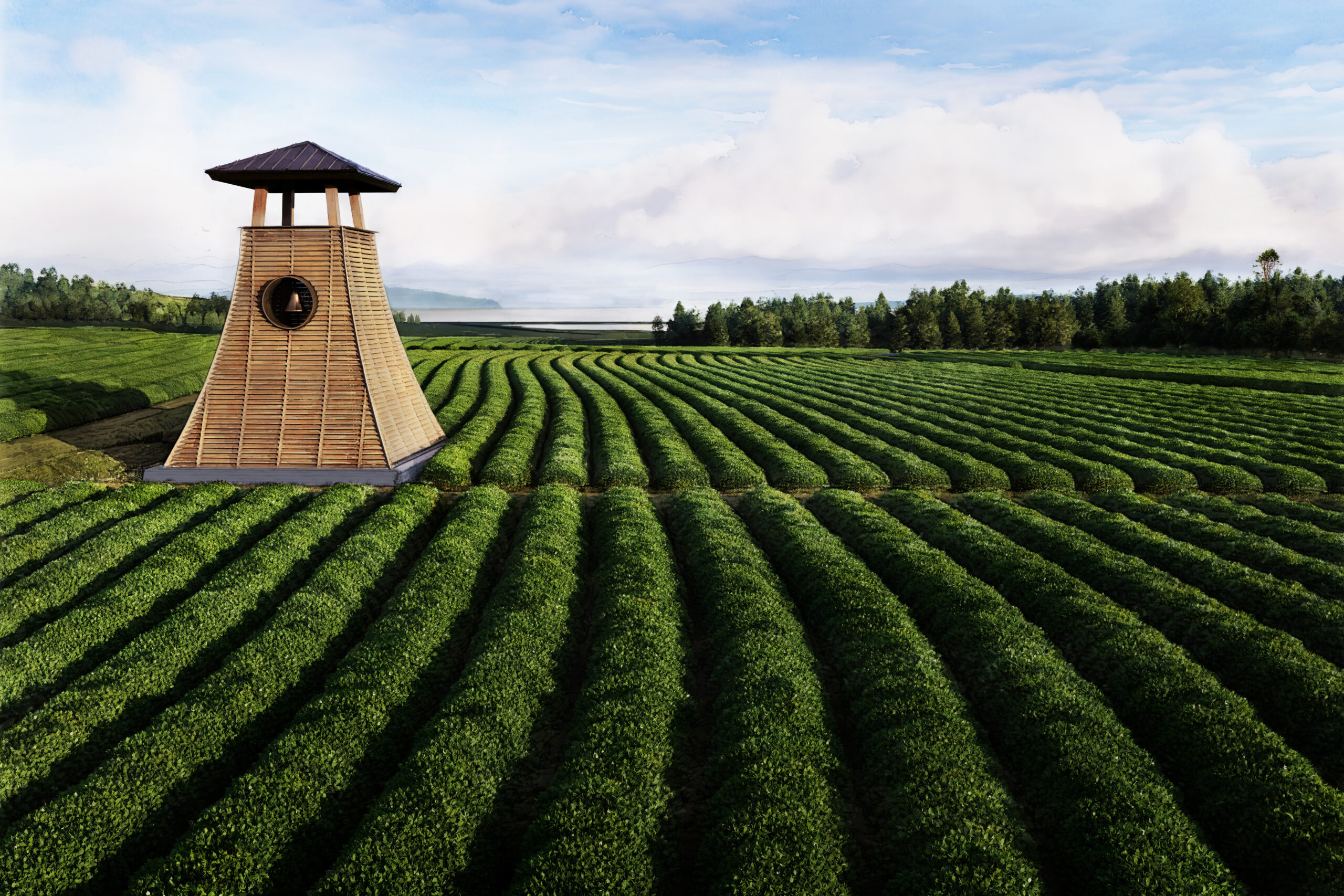
Luke: This year, we planted three acres, 12,000 tea plants. We’re building a one-acre greenhouse on the farm, and we’re also building a 30,000-square-foot processing facility just up the road in Oak Harbor. But Camellia sinensis, the tea shrub, takes about five years before you can do that first harvest.
In those five years, we’re going to be sourcing tea from Japan. We’re working with our great partners and also partnering with an equipment manufacturer that makes the post-processing equipment we’ll use to turn the raw harvest into matcha.
During that time, we hope to bring people up to the farm. We want to do tea education and encourage people to follow us through this process.
Jessica: We look forward to keeping in touch as production develops—and to those first tastings.
Luke: Our vision is for Cascadia, the Pacific Northwest, to be the Napa of tea. I really love this nightingale analogy: one nightingale starts to sing, then a few others chime in with that same melody, and eventually you have a chorus.
We’re doing some trailblazing with our cultivars, setting up a greenhouse that can propagate the plants, the production facility, and all that infrastructure. We want to open it up to other people who are interested and hopefully create that chorus of people growing exceptional tea in the Pacific Northwest.
This interview has been edited for length and clarity.
About the guest
Luke Larson is the founder and CEO of Vale, working to make exceptional, premium-grade matcha accessible to more people. Raised on a farm on Washington’s Olympic Peninsula, he came to appreciate matcha’s quality and craft after a health scare reshaped his approach to wellness. As a father of three daughters, he also noticed younger consumers choosing matcha over coffee—an insight that helped inspire Vale.
Before founding Vale, Larson spent 15 years at Axon, helping grow annual revenue from $100 million to more than $1 billion and transform the public safety technology business from a hardware company into a global software platform. A U.S. Marine Corps combat veteran, he brings that leadership and technology experience to Vale, combining innovation with respect for matcha’s craft and tradition.