


Often compared to the Garden of Eden, Sri Lanka is a tea lover’s paradise. According to AgEcon, tea is one of the country’s largest employers. Tea exports accounted for $1.43 billion of the $12.1 billion exported in 2024 and have contributed a significant share of government revenue for over a century. Everywhere you go, people’s lives are steeped in tea. It offers rare glimpses into all aspects of tea production, history, and culture. Travelers to the island are spoiled for choice, with every type of tea experience available.
Sri Lanka offers meticulously restored estate manor houses and planters’ bungalows that invoke the majesty of a bygone era. Nature lovers and hiking enthusiasts can follow trails that wind through emerald tea fields, pass breathtaking vistas, and include Hindu shrines and Buddhist temples. Socially and environmentally conscious wanderers can learn how to make hand-rolled tea at organic, biodiverse estates dedicated to uplifting local communities and replenishing the land. I have spent the last year exploring Sri Lanka’s remarkable tea regions, compiling a list of the most extraordinary experiences, unforgettable stays, inspiring people, and, of course, the most delicious cups of tea. Join me on a remarkable tea journey across this stunning island.

It All Begins and Ends with Colombo
All international flights to and from Sri Lanka pass through the country’s capital, Colombo. While it is easy to head straight out of town for the verdant tea mountains or tropical southern beaches, Colombo’s sites should not be missed. See Tea Journey’s guide to the best specialty tea shops and cafes in Colombo for an in-depth look at what the city has to offer tea lovers.
However, before hitting the rails and trails, it is a good idea to familiarize yourself with what Ceylon tea is exactly. For that, I highly recommend starting your journey with the tea-tasting experience at PMD Tea in Colombo.
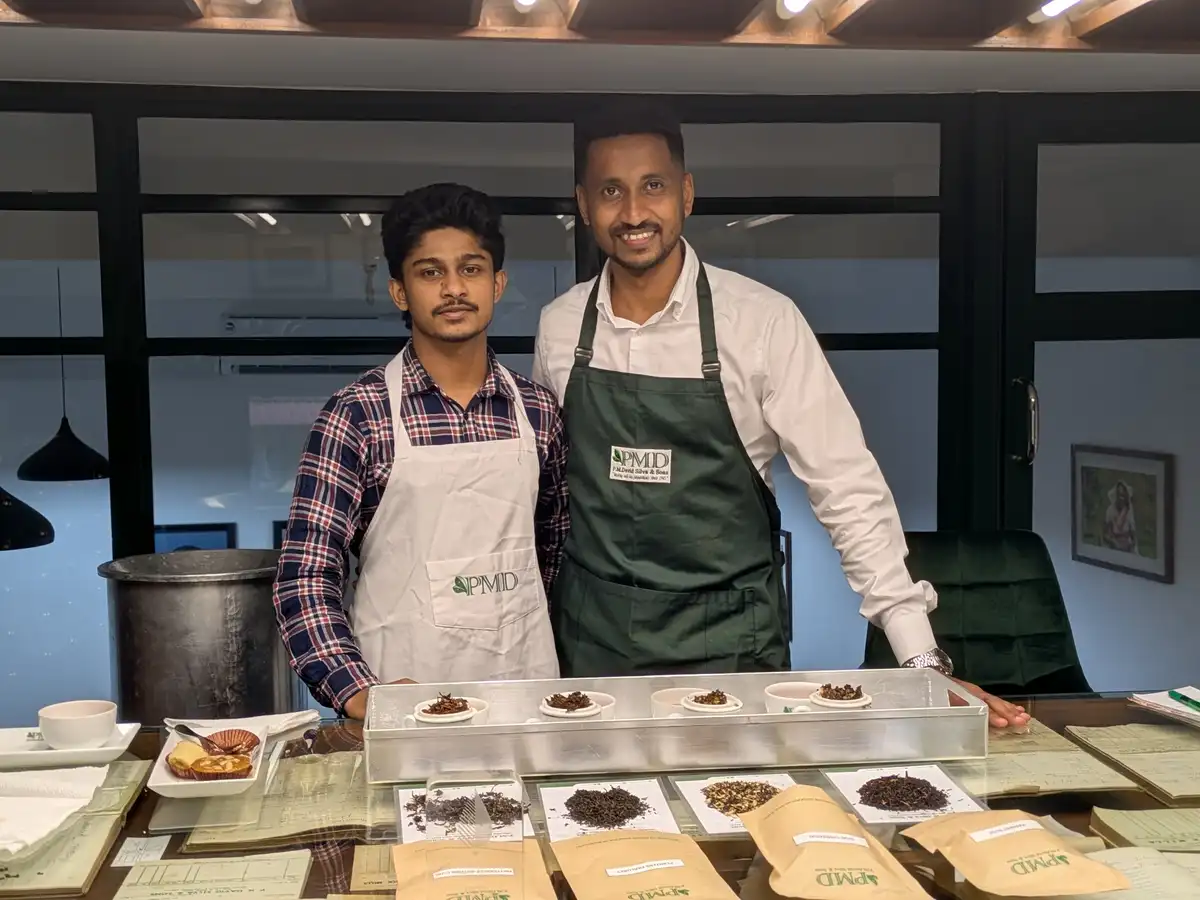
Tea Tasting Experience at PMD Tea
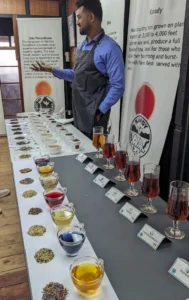
Tucked into the bustling streets of the historic Pettah market, the renowned P.M. David Silva and Sons is a family-owned business that has been immersed in the tea industry for 80 years. Their two-hour-long tea tasting is the best and most educational experience I have had in Sri Lanka so far. As a tea exporter, PMD sources and tastes teas from estates all over the country. This gives them a comprehensive and unbiased view of all aspects of Ceylon tea.
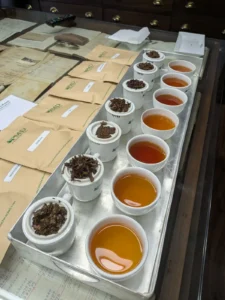
The session covers the history of Sri Lanka’s tea industry, production methods, and tea types. It goes over the seven distinct tea regions and their unique flavor profiles. The team at PMD teaches you how to evaluate and taste tea like a professional. It includes examples of good and bad tea, so you know what to look for and expect while visiting various estates around the country.
I left PMD Tea with a deeper understanding and appreciation for the beauty of Ceylon tea and why it has been so famous for so long. The invigorating experience leaves you eager to put your newly acquired knowledge to the test.
Rosyth Estate: Luxury Meets Community Service
Venture out of Colombo towards the central highlands, and the landscape quickly transforms from suburban villages to jungle-covered hills dotted with tea and rubber plantations. Situated between Colombo and the famous central hill town of Kandy, Rosyth Estate House is the perfect place to spend a few tranquil days easing into your tea tour.
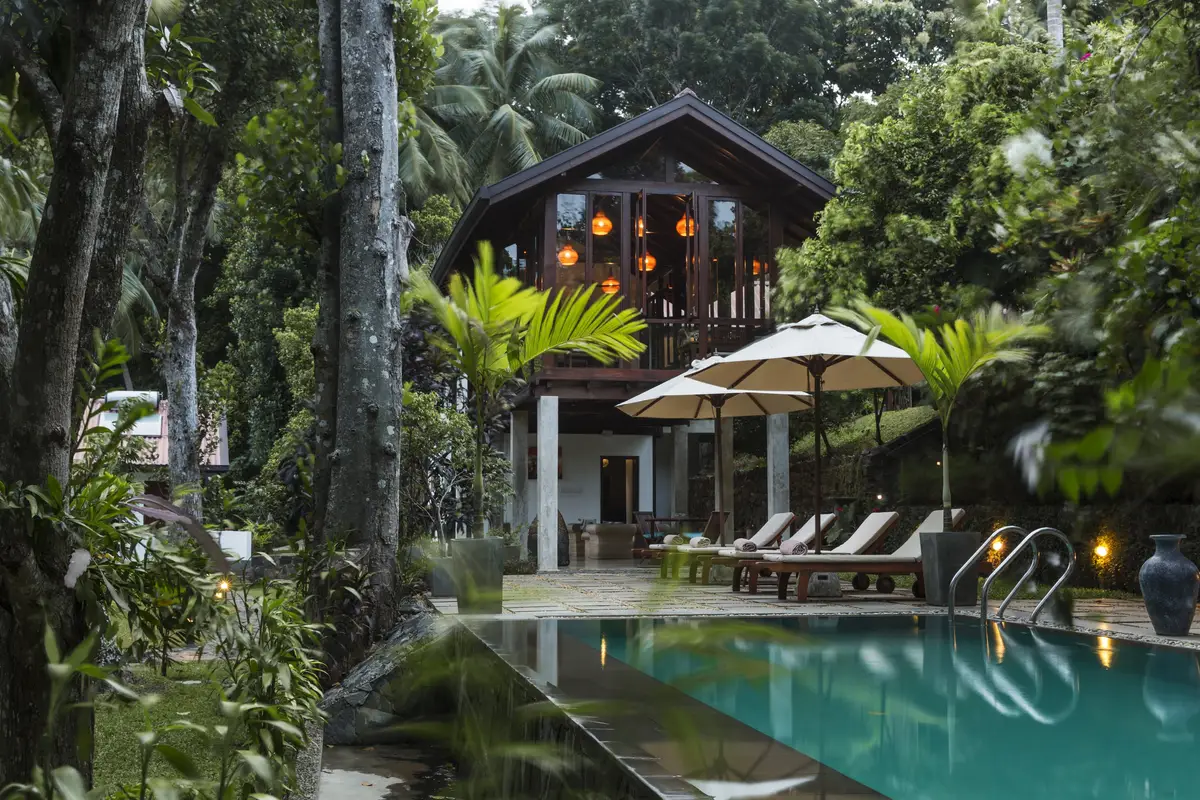
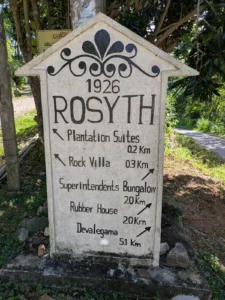
Nestled on top of 62 acres of sloping tea fields and rubber tree groves, Rosyth’s restored planters’ bungalow dates back to 1926. The hotel seamlessly blends the charm of a family home with five-star resort service. Amenities such as the open-air dining pavilion and gourmet kitchen, yoga center, spa, and pool all overlook the lush tropical surroundings.
Rosyth is a luxury boutique hotel and tea estate with a mission. After the local tea factory burned down, farmers in the valley were left with nowhere to process their tea leaves. The owners of Rosyth decided to build their own artisanal tea factory. By offering higher prices for leaves and labor, Rosyth is restoring livelihoods across the valley. Revitalized and inspired locals now clamor to work with and learn from Rosyth’s specialty tea production manager.
I suggest spending a day with the tea ladies. Learn how to hand-roll and process freshly plucked leaves in Rosyth’s artisanal tea factory. Follow that experience with a relaxing stroll through the estate to watch the tappers extracting fresh latex from the rubber trees. Cross ancient stone bridges and canals to explore the 70-year-old smokehouse and rubber press. Then, head back up to the veranda for an aromatic pot of tea or an enticing tea-infused cocktail as the sun sets over the jungle, leaving you utterly relaxed and satisfied.
Day Trips to Kandy
Rosyth is close to the popular hill town of Kandy to soak up some history, culture, and tea sites, yet far enough away from the crowds to maintain your peace and serenity.
Kandy was the last capital and stronghold of the Buddhist Sinhalese kingdom before it fell to the British in 1815. Located in a picturesque valley surrounded by two mountain ranges with a scenic lake in the middle, Kandy was a favorite destination for the British seeking respite from the heat and humidity of the lowlands.
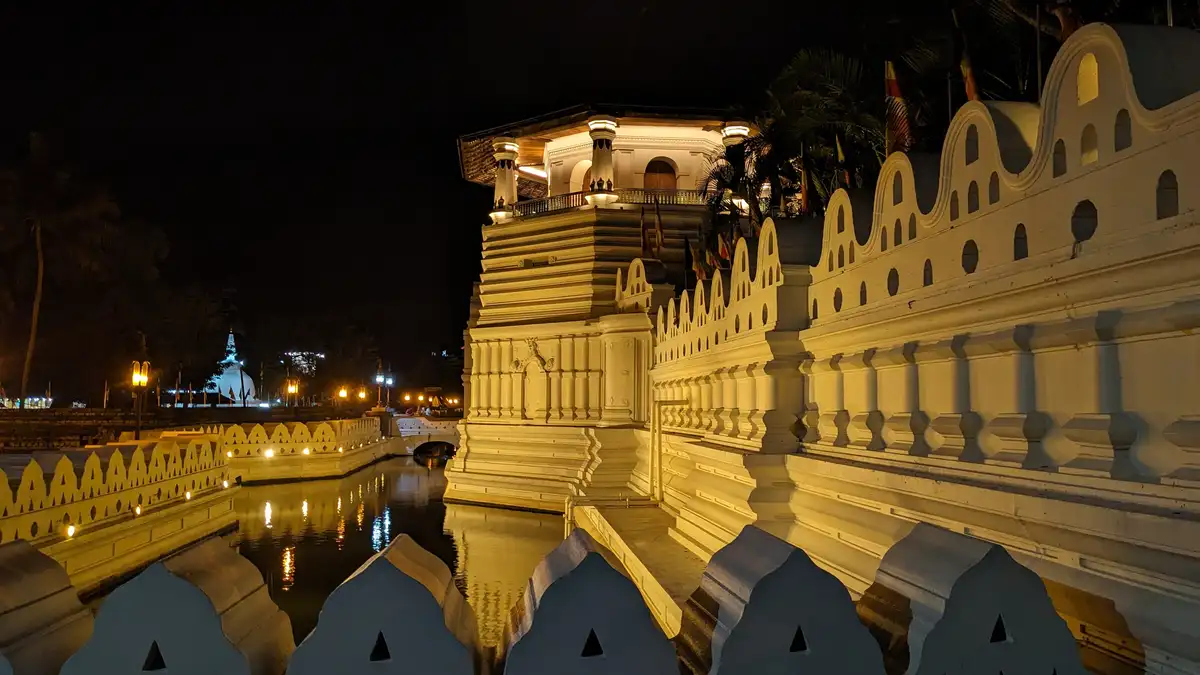
The Heritage Landmarks of Kandy
The city features an eclectic mix of medieval Buddhist and British colonial architectural styles, with the magnificent sacred Temple of the Tooth Relic located at its heart.
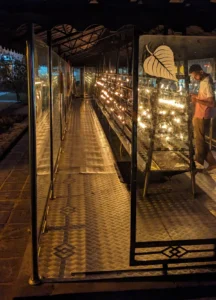
The UNESCO World Heritage-listed Sri Dalada Maligawa houses a holy relic believed to be one of the Buddha’s teeth. The temple is a sprawling complex of shrines featuring statues from all over the Buddhist world, kaleidoscopic murals, and the mesmerizing hum of hundreds of monks and pilgrims chanting and praying at once. As one of Sri Lanka’s most sacred and culturally significant sites, the temple should not be missed.
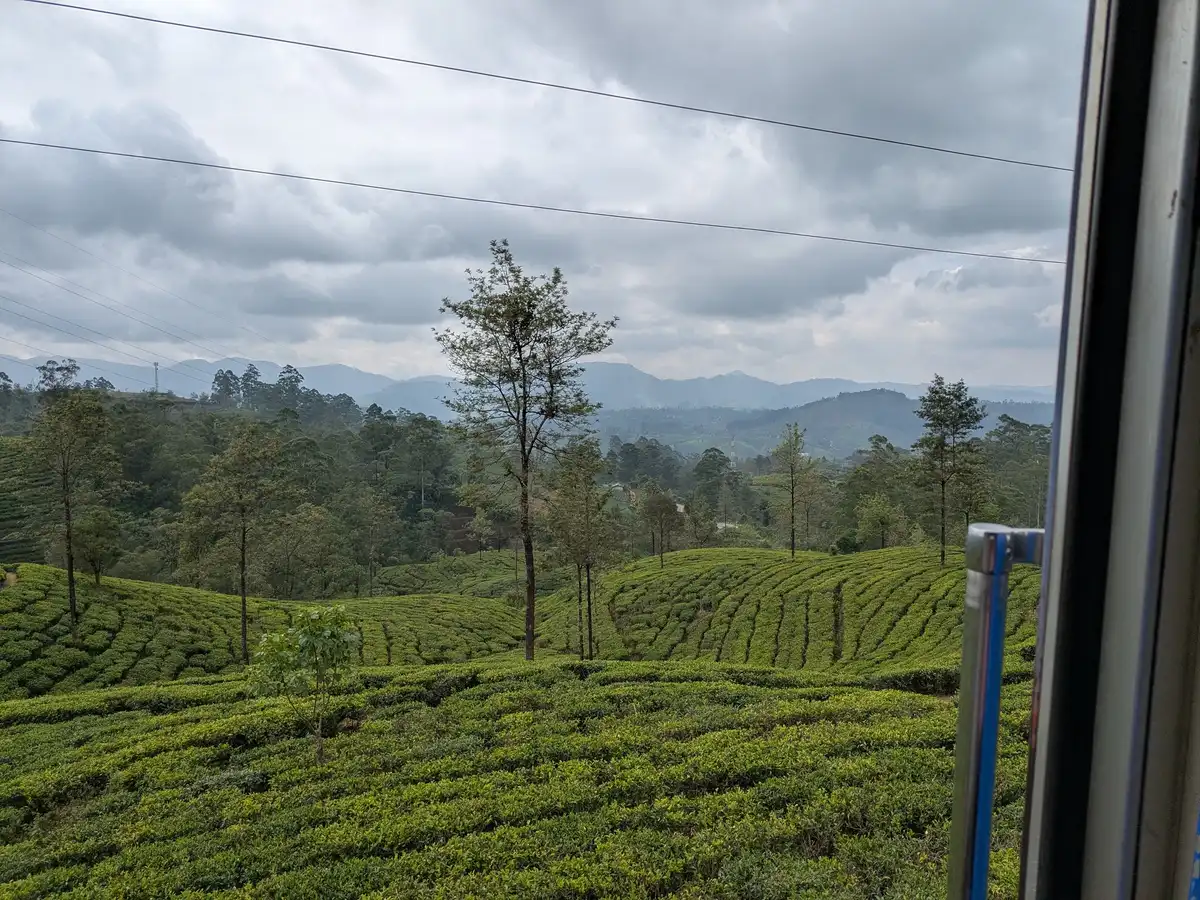
Kandy is also a great place to embark on the scenic railway line that traverses the heart of tea country. The train journey from Kandy to Ella winds through mountains covered in undulating rows of tea bushes. It offers jaw-dropping vistas and glimpses of authentic and occasionally heartwrenching village life.
To experience the exhilaration of hanging off the side of an open train compartment as the cool mountain air rushes past, I recommend booking a second-class or third-class ticket (for shorter distances only). The air-conditioned first-class compartments offer more comfort, but sealed windows prevent you from getting the best photos.
History buffs will love visiting the Royal Botanical Gardens, where the first tea bush in Sri Lanka was planted in 1824, as well as the Ceylon Tea Museum, which provides a fascinating in-depth look at the history of Sri Lanka’s tea industry. The tea museum is also the starting point for stage one of the Pekoe Trail.
The Pekoe Trail: Hiking with a Purpose
Awarded National Geographic’s “Best Experience 2024 Worldwide” and voted the “Best Wider World Tourism Project” by the British Guild of Travel Writers, the Pekoe Trail allows tea lovers to engage with the communities that bring Ceylon tea to life. Designed to connect people with nature, the trail also offers participants the opportunity to discover authentic Sri Lankan culture while contributing responsibly to the upliftment of local communities.
Trail founder, Miguel Cunat, moved to Sri Lanka 20 years ago. He dreamed of creating a long-distance trail that would transform how people explore and perceive the island. Growing up hiking in Spain, Cunat was inspired by the Camino de Santiago, which not only benefits trekkers emotionally, spiritually, and physically but also positively impacts the towns and villages along the trail.
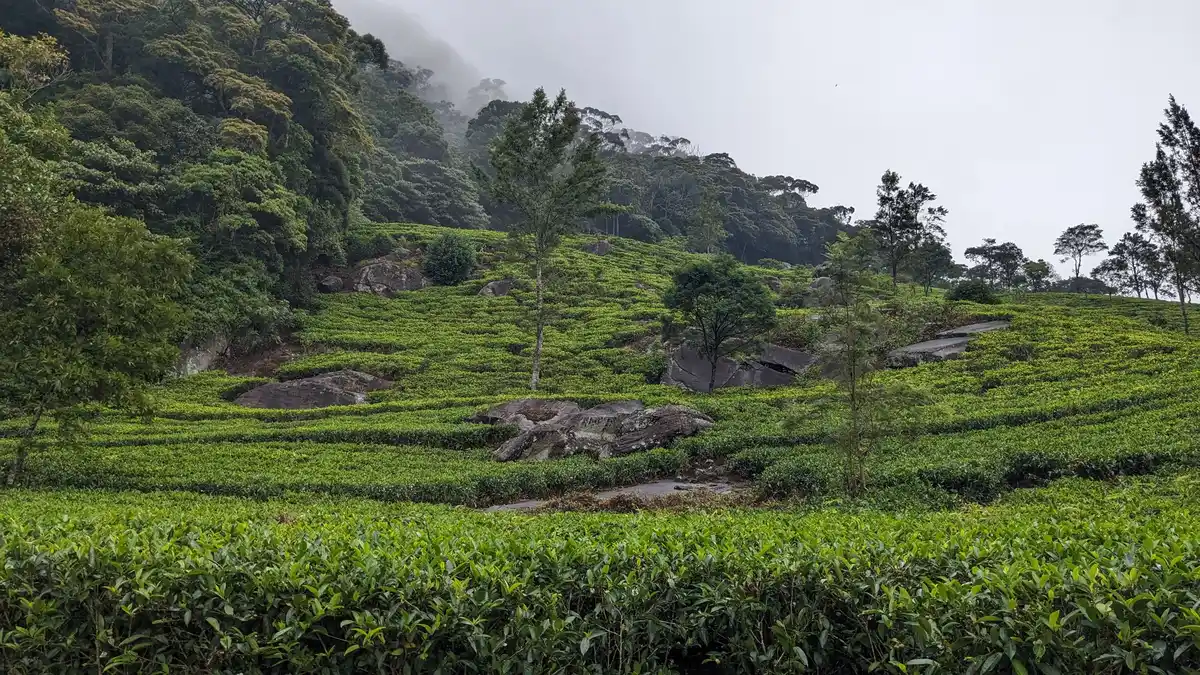
He spent ten years trekking through the tea plantations, villages, and forests of the majestic central highlands. He has mapped out trails that wove together local communities, cultural heritage sites, epic vistas, and billowing rows of emerald-green tea terraces. The result is a stunning 323km (200m) journey that winds through two provinces, 24 tea plantations, 80 villages, ten forest reserves, and a leopard corridor.
Cunat broke the trail into 22 easy-to-manage stages. These were specifically designed for the average person, allowing families and people with no trekking experience to hike the trail together.
Supporting Ceylon Tea in a Unique Way
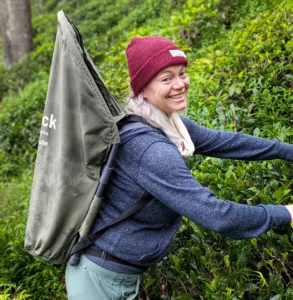
At a time when Sri Lanka’s most crucial industry faces unprecedented challenges, the Pekoe Trail supports Ceylon tea. It connects travelers to the hardworking people who produce their favorite brews. Every step along the trail raises awareness and fosters meaningful interactions. It helps generate income for the local communities while promoting responsible tourism.
The trail is easy to follow using the downloadable app and maps from the Pekoe Trail website. While there’s no official entrance or exit gate for the trail, hikers should purchase a $10 trail pass on the website before starting. All proceeds from the passes go towards trail maintenance, community programs, and safety improvements.
Trail Highlights for Tea Lovers
While every part of the trail traverses scenic tea estates, enthusiasts and history buffs will want to explore these trail highlights:
- Stage 2- Trace the footsteps of the founding father of Sri Lankan tea, James Taylor. Stage two winds through the famous Loolecondera Estate (Sri Lanka’s very first tea plantation), founded in 1867. Hikers can explore the ruins of Taylor’s cabin while basking in the birthplace of Ceylon tea.
- Stage 13- Pass through the stunning panoramic vistas of the Nayabedda Tea Estate. Climb up to Lipton’s Seat, the legendary lookout where Sir Thomas Lipton liked to sit. Survey his most beloved tea plantations.
- Stage 14- Walk amongst sacred Hindu kovils and spectacular Buddhist temples. Pass by the colorful houses and vegetable patches of St. Catherine’s Tea Plantation Workers’ village. Behold one of the trail’s most spectacular views – the 2,036-meter (6,679 feet) tall Namunukula or ‘Nine Peaks’ mountain. On a clear day, it can be seen by ships approaching the island.
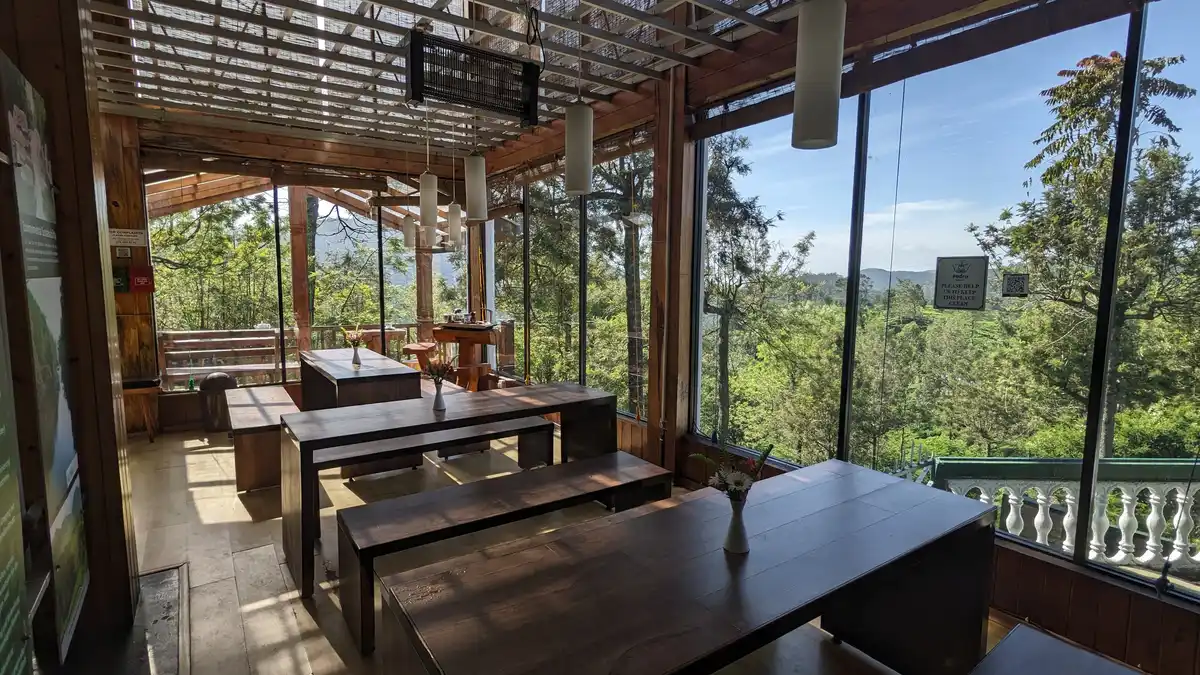
- Stage 22- Marks the final stage of the Pekoe Trail. It ends at the highly acclaimed Pedro Tea Factory just outside the colonial hill town of Nuwara Eliya. The factory offers guided tours and features a scenic cafe. Here, you can savor a delicious cup of Pedro’s famous Lover’s Leap tea while enjoying panoramic views of the cascading tea terraces. An optional detour takes hikers to the popular Lover’s Leap waterfall. Legend claims that a prince fell in love with a beautiful village girl. The king and queen forbid their union. This forced the couple to leap from the top of the waterfall so they could be joined for all eternity in the afterlife.
Empowering Women through the Trail
Hiring a local guide is an excellent way to gain a deeper understanding of life on the tea estates. It enables you to understand the history, customs, and wildlife of the surrounding areas. In an effort to address gender inequality in the tea industry, Steppes Travel, a pioneer in sustainable tourism, has partnered with the Sri Lankan-based Women in Travel Collective and local NGO, the Tea Leaf Trust. They aim to train female guides from estate communities and nearby villages for the Pekoe Trail.
“We wanted to create opportunities for women from these communities to find jobs that provide dignity, financial stability, and independence,” explained Thushni de Silva, Co-founder of the Women in Travel Collective. “To enable them to become role models in their own communities.”
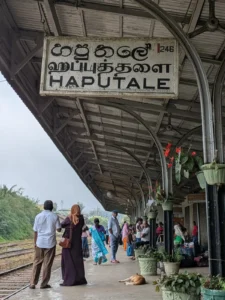
With the help of the Women in Travel Collective, 16 women from the Hatton and Ella areas have become certified Pekoe Trail guides. Another 16 from Haputale and Kandy are expected to be trained by the end of the year. Hatton, Ella, Haptuale, and Kandy are all on the Pekoe Trail and have large populations of marginalized Tamil-speaking tea workers.
Creating Opportunities for Women
“This is a fantastic opportunity for us to help support women from the tea communities,” adds de Silva. “Because I can lead a group on the trail, but I grew up in Colombo. I cannot say, ‘When I was small, we used to play here, and there was this festival there, and my uncle is a monk at this temple.’ I cannot do that. That is their original and inherited knowledge, which they are blessed with, and they alone can offer. It’s up to us to create the platform for them to use it.”
“One of the goals of the Pekoe Trail is to help generate income at the local level. So, the youth do not have to leave their homes and go to Colombo, or overseas to find work,” says de Silva. “Now they have more opportunities to stay near their families and be financially independent at the same time.”
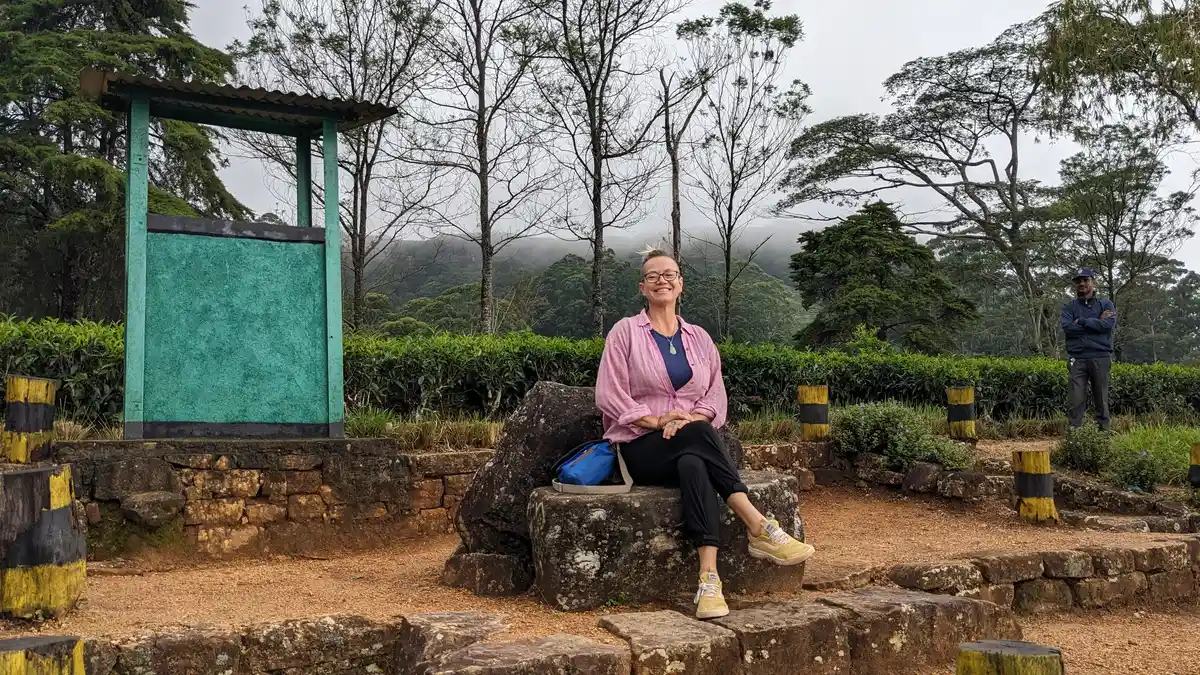
Socially Responsible, Environmentally Sustainable Estates to Visit
There are countless tea estates to visit along the Pekoe Trail. Many of these feature converted planters’ bungalows and stunning views. Visit the Pekoe Trail website for a list of accommodations that range from simple homestays to the most luxurious and resplendent tea estates imaginable.
My favorite places to stay along the trail offer something truly unique. They also help visitors understand the challenges the modern Sri Lankan tea industry faces. It can be disheartening to think these problems are insurmountable, but there are estates offering hope and, more importantly, solutions.
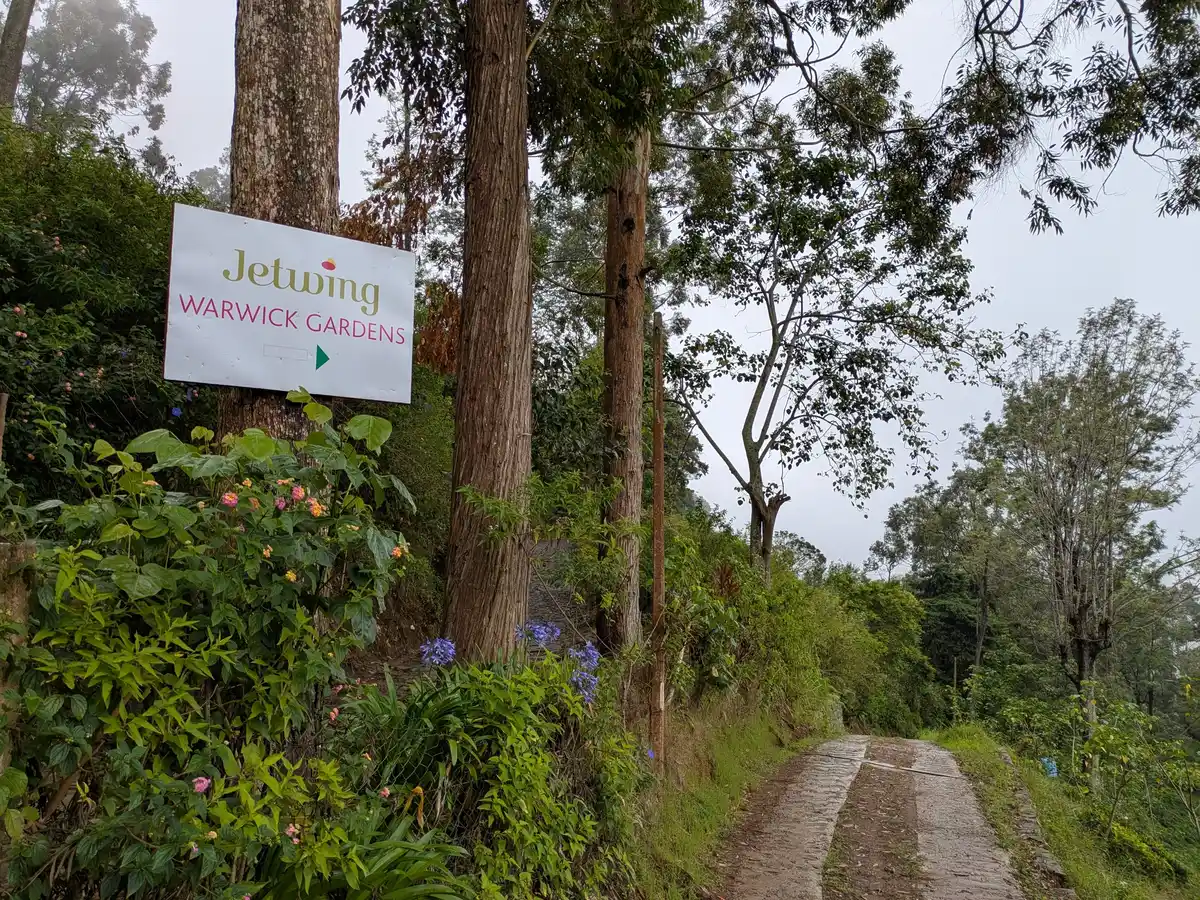
Jetwing Warwick Gardens
The family-owned Jetwing Hotel Group is one of Sri Lanka’s most acclaimed hotel chains. Their commitment to environmental sustainability, cultural heritage, and community upliftment makes Jetwing properties beloved all over the island.
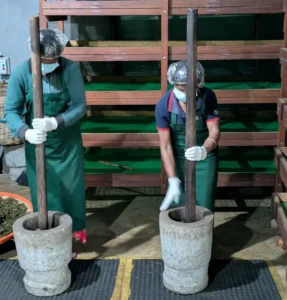
Heritage stewardship goes beyond the maintenance of historical sites and buildings. It also includes preservation of traditions that underpin Sri Lanka’s industries, such as fishing, rice cultivation, and tea production. In 2002, Jetwing Hotels acquired an abandoned 30-acre tea estate nestled in a scenic valley between Nuwara Eliya and Ambewela. It is an area famous for its high misty mountain peaks and fertile valleys. It produces some of the best tea and dairy in the country.
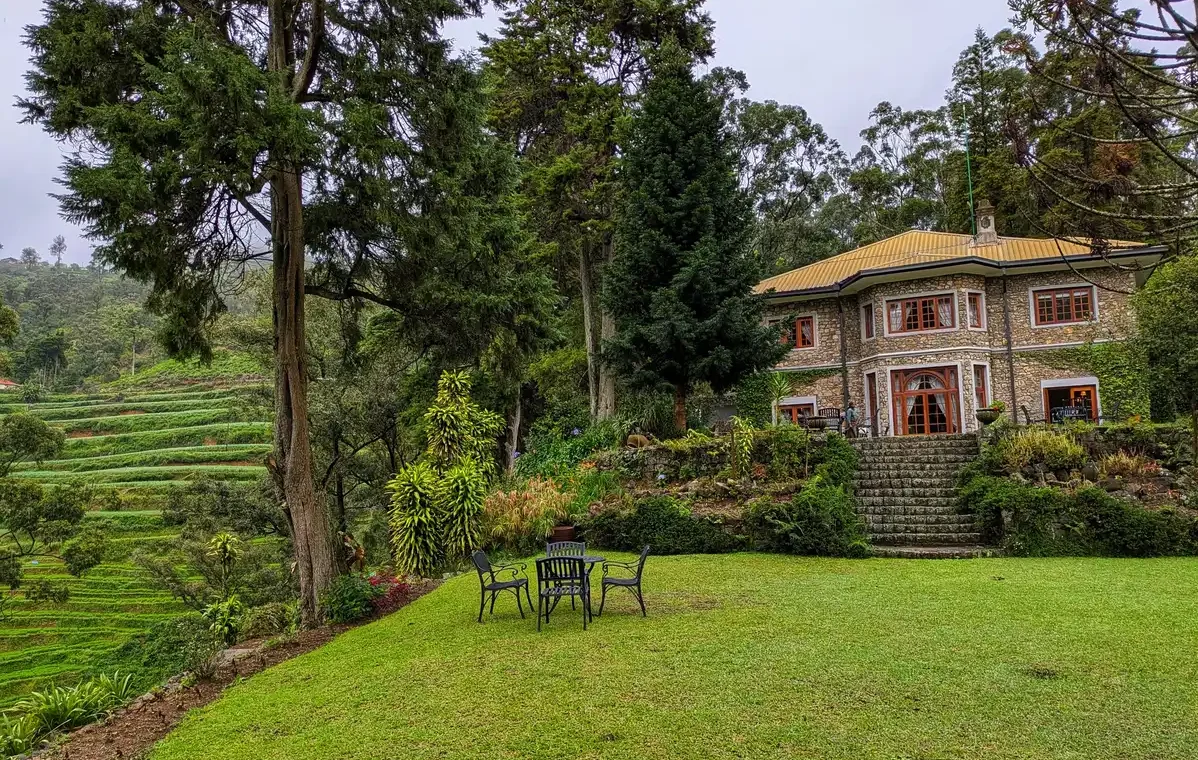
Jetwing restored the 145-year-old stone manor house and converted Warwick Gardens into an organic, artisanal tea estate. It produces small-batch, specialty loose-leaf teas that reflect the rich soil and micro-climate of the estate. A stroll through mist-shrouded tea terraces evokes the essence of Scottish highlands magic. Savoring a cup of the estate’s exceptional hand-rolled black tea on the veranda overlooking manicured lawns and lush gardens, as peacocks wander by, is pure bliss.
Meena Amma’s Tea Experience
Waking up to such splendor is enough to warrant a mention. However, it is the artisanal teas and cooking with Meena Amma that make Warwick Gardens so sensational. Meena Amma, of Tamil descent, has worked on tea estates all her life. She takes pride in welcoming guests into her world. I joined Meena Amma in her line room kitchen, perched over a rushing stream that passes through the estate. She was preparing traditional vegetarian Tamil dishes in clay pots over a wood-fired stove.
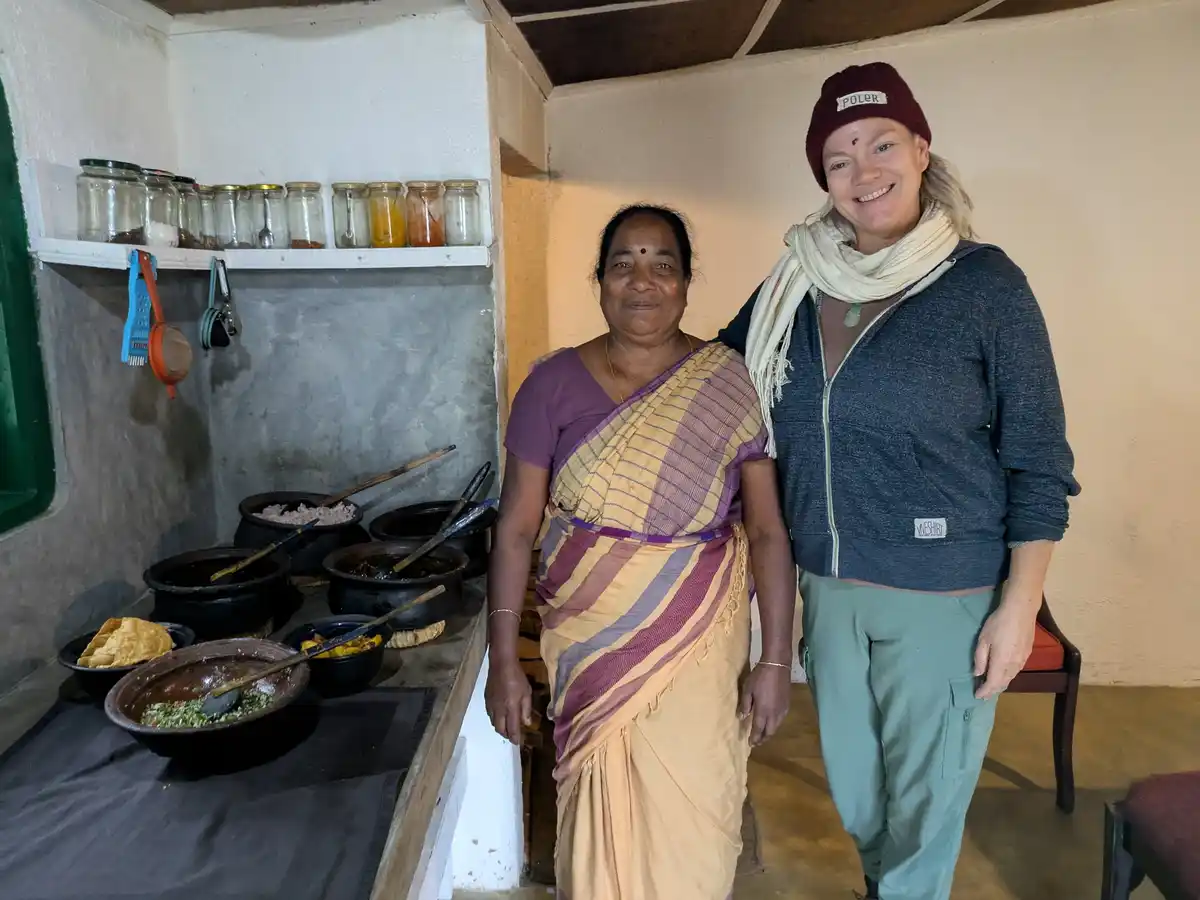
Sir Thomas Lipton invented line rooms to house the massive number of Tamil workers efficiently. These workers were brought from southern India to work on his tea estates in Sri Lanka. Traveling through tea country brings you face-to-face with many line room villages. They are not always an easy sight. Often, entire families live in crowded conditions, with no indoor bathrooms. This is one of the harsh realities a tea traveler must face to appreciate and understand where tea comes from truly.
Spending time with Meena Amma, or at Jetwing’s converted guest rooms, allows you to witness this side of the tea industry. Jetwing’s other organic tea estate, Uva Ben Head, also offers luxurious accommodations. It produces tea for all of the other Jetwing properties around the island.
AMBA Estate: Sri Lanka’s Very Own Shangri-La
AMBA Estate is about to celebrate 20 years of community upliftment and environmental regeneration. They are one of the pioneers of hand-rolled, specialty tea production in Sri Lanka. The estate was founded as an experiment to prove that socially and environmentally sustainable enterprises can succeed. Today, AMBA has now become a beacon of hope and the blueprint for other tea estates to follow.
AMBA offers stunning vistas, award-winning specialty teas, and delightful bungalows. Their warm, welcoming staff prepares sensational meals using the farm’s organic produce. Together, this creates an endearing Shangri-La-like atmosphere that is hard to leave. It has been voted one of the best guest houses in Sri Lanka, year after year. Spending time with AMBA’s tea artisans can’t be missed!
A Mesmerizing Aftertaste that Lingers
Let this be a warning to those venturing to Sri Lanka for the first time. The island’s diverse beauty and culture, incredibly hospitable people, and breathtaking tea landscapes are impossible to forget. Travelers could find themselves sitting at home, sipping Ceylon tea, and dreaming about returning to paradise.
Read also
Authentic and Sustainable Tea Tourism | Anesce Dremen
Peekoh Tea and Smoke and Bitters: Raising the Bar | Diana Jendoubi