


Tourists seeking authentic experiences should honor the roots of cultural engagement within tea regions
Tea evokes what many travelers seek: calm, connection, discovery, and a deeper sense of place. Within each cup lies the imprint of origin — mountain, soil, climate, craftsmanship, and culture. But tea changes permanently once experienced where it is grown.
Walking through tea gardens at dawn, standing inside a working factory, or sharing tea with the people who cultivate it transforms tea from a beverage into something far more personal. The relationship between leaf and landscape becomes tangible.
As tea tourism expands across Asia and beyond, travelers are increasingly seeking authentic, hands-on experiences that go beyond sightseeing alone. Yet meaningful tea travel also carries responsibility. Before choosing a tea tour or visiting a tea-producing region, it is worth considering how tourism affects local communities, cultural traditions, labor, and the environment — and which programs genuinely support sustainable, respectful engagement with tea at origin.
There is a moment that changes how tea tastes forever.
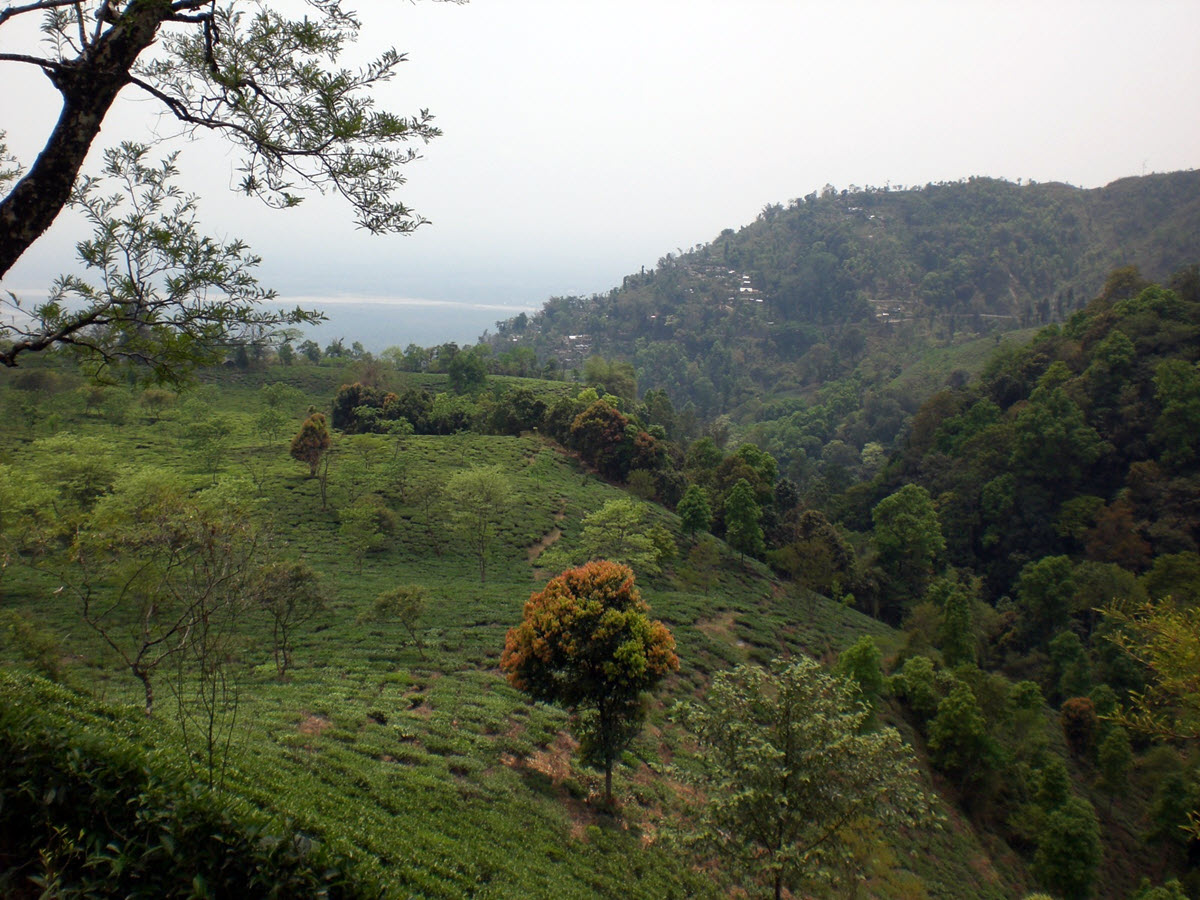
It may come while standing on a mist-covered mountain at dawn in Yunnan. Or walking silently through the manicured rows of Uji beneath the sound of distant temple bells. Perhaps it happens in Darjeeling, where the air itself seems steeped in first flush aroma, or in Sri Lanka, where tea factories still hum through the night above valleys wrapped in cloud.
For many travelers, tea begins as a beverage. But at origin, tea becomes geography, labor, climate, culture, memory, and ritual. The distance between the cup and the surrounding landscape disappears.
That transformation is driving a new era of tea tourism.
Across Asia, tea-growing regions are increasingly opening themselves to travelers seeking something more meaningful than sightseeing alone. Visitors now trek ancient tea mountains in China, stay at heritage tea bungalows in India, study tea ceremony traditions in Japan, and walk through smallholder gardens in Sri Lanka and Vietnam in search of authenticity, craftsmanship, and connection.
Tea tourism has become more than hospitality. At its best, it is education through immersion — an opportunity to understand not only how tea is made, but why it matters to the people and places that produce it.
Click to Apply for Recognition as an Impact Star (Sumbission deadline July 15, 2026)
As for international exchange, Myōan Eisai (1141– 1215CE), a Buddhist priest from Japan, studied Buddhism in China for four years over two trips and returned as Japan’s first Chan (Zen) teacher. He is renowned for spreading Zen Buddhism in Japan, for first bringing tea seedlings to his country, and for authoring “Drinking Tea for Nourishing Life.”
See: Tea Emissaries
Writing a book after spending years in a country to learn about the multiple intersections of its culture (literature, history, sociology, language, and tea) is not feasible for most. Still, we should consider an intersectional approach regardless of the length of stay. Although Western sustainable movements (such as the slow food movement) have emerged in recent decades as campaigns, these concepts (such as slow food, respectful and regenerative travel, etc.) have existed in Asia for much longer. While an enhanced awareness of our socio-cultural impact is a good step, we must reflect on the variables associated with our cultural and carbon footprint. Namely, we must beware of the perils of greenwashing and ethnotourism in the tea industry.
According to a 2019 report by OxFam, “In the United States, supermarkets and tea brands are estimated to receive 93.8% of the final consumer price for bagged black tea sold in the country, while labor costs to pay workers represent just 0.8% of the final price.” This absurd inequity must not be viewed in isolation. If the final products of tea leaves or dust redistribute wages so unjustly, it is not improbable that other aspects of the trade reflect such standards. Within the tea tourism industry, we must first ask: who benefits most?
Today, several international organizations offer whirlwind tours that provide luxury or middle-class comfort, incorporating a particular country’s cultural sites. While these tours are intense, integrative, and informative, I wonder if we should question the merit of rapid tours. Instead of zipping through a region, how can we proceed mindfully?

Defining Sustainable Tourism
According to the United Nations World Tourism Organization, sustainable tourism should:
- “Make optimal use of environmental resources that constitute a key element in tourism development, maintaining essential ecological processes, and helping to conserve natural heritage and biodiversity.
- Respect the socio-cultural authenticity of host communities, conserve their built and living cultural heritage, and contribute to inter-cultural understanding and tolerance.
- Ensure viable, long-term economic operations, providing socio-economic benefits to all stakeholders that are fairly distributed, including stable employment and income-earning opportunities and social services to host communities, and contributing to poverty alleviation.”
Parameters for an authentic, experiential, sustainable tour
Incorporating these three pillars of sustainability, the following is a list of concerns to address when evaluating an ethical, authentic, and sustainable hands-on tea tour:
Environmental sustainability
- Is the garden organic or natural? This is the first question when choosing an environmentally responsible tea tour. Pesticides and herbicides harm workers in tea gardens and negatively affect topsoil conditions and the surrounding ecosystem. Remember that many small-scale gardens cannot afford the certificate due to its high cost; however, they may be technically organic or have been producing tea naturally for far longer than those with certificates.
- What is the size of the tea garden? Parameters for small-scale tea gardens shift between countries and regions. Generally, small-scale tea gardens own less than 20 hectares of land. Small-scale terrains typically have a greater negative impact on the community than larger estates. These are the tight-knit communities to support.
- How rich is the local biodiversity? Tea gardens are inherently agroecosystems (ecosystems that are manipulated to produce agricultural products). Though some ancient-growth tea trees (notably in Yunnan, China) are grown in the wild, most tea gardens are single-product ventures. The healthiest ecosystems will sponsor rich biodiversity: varied bird species, local mammals, indigenous plant species, etc. Coexistence is crucial.
Local Involvement
- Who are the owners, directors, and other stakeholders? Are they from the region? What reasons do they have to support the tea garden?
- How are women depicted? As in many other sectors, women are underrepresented in leadership and entrepreneurial roles within the tea industry. When looking at a program, consider the presence or absence of women, notably in leadership roles, general roles, and depictions.
- What is their commitment to transparency? What are the company’s values, and how are they echoed in the website content and action?
Authentic Cultural Engagement
- What regional customs and traditions will be experienced during the tour or stay? While learning about a country’s festivals is important, understanding the specific cultures within a village and other smaller regions is crucial.
- How are local cultures contextualized? What are local festivals that aren’t celebrated at a national level? Which local foods are served that are unlikely to be found on restaurant menus? What opportunities exist for community interaction?
- Who are the people one will engage with? Who guides the tours, hosts homestays, or demonstrates tea manufacturing processes? What are their backgrounds, be they cultural or socio-economic?
- What language learning opportunities are there? While learning a national language is important, how are the regional languages or dialects represented? What opportunities exist to learn or exchange languages?
Hands-on experience
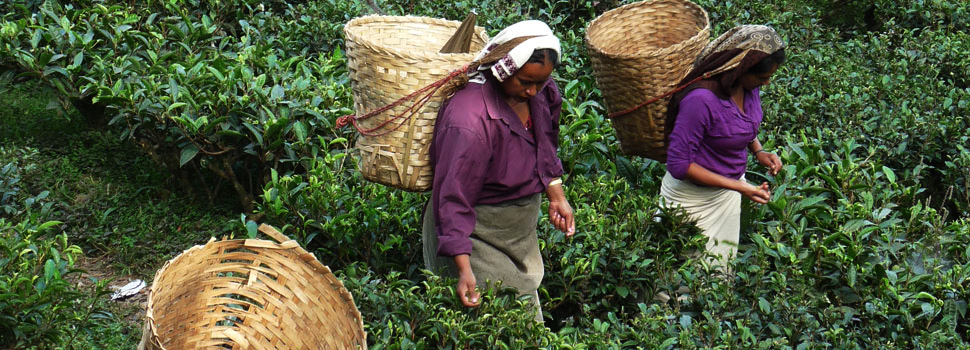
- What involvement do you have in the tea gardens? Are there slow tea tour options? Will a guest rise at dawn to pluck tea alongside the tea pluckers? What opportunities allow for engagement with tea manufacturing processes?
- How will one drink tea? Which historical or modern tea-drinking ceremonies are included? Will one experience chadao (chado), chayi, or chanoyu? Will one learn how to make chai? Furthermore, which teaware will be used? Are there any opportunities to learn about or make pottery, smash a kulhad cup, or learn how to identify the value of a Yixing teapot?
- What activities are available outside of the realm of tea? The culture of a region is far more comprehensive than just tea. What other ways can one engage with the host culture, such as cooking, gardening, foraging, birdwatching, hiking, and through music, theatre, literature, and art?
Nepal Tea Collective
Kanchanjangha Tea Estate and Research Center, La Mandala Specialty Tea, Baraha Tea Factory, and Jasbire Tea Processing Center
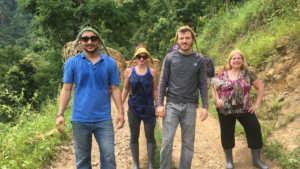
Nepal Tea Collective, based in the US, offers a unique ten-day tour that allows visitors to experience Nepali tea gardens from various perspectives. They offer their guests a chance to peek into the trade secrets, meet amazing tea farmers and producers, and taste unlimited delicious teas directly from the organic gardens lapped on the Himalayan foothills. They offer immersive experiences, such as an opportunity to make personal batches of premium orthodox tea under the guidance of an experienced tea master and drink as much tea as they like with new Nepali friends! Accompanied by the founder of the Nepal Tea Collective and their local team, they take their guests to visit four tea gardens and five cities and return home with memories for a lifetime. Learn more…
Green Tea Homestay; Higashi Sonogi, Japan
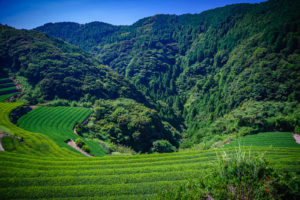
Nakao Village, nestled in Higashi Sonogi, Japan, is a rural community with a rich history of tea cultivation. Geologically, the land was originally formed by volcanic activity. Today, the average elevation is 250 meters. Tea has been grown in the region for 500 years. The Nakayama family has operated the tea factory for over 70 years and is committed to environmentally friendly practices across agricultural cultivations. They initiated an eco-tourism outreach program in 2014. “We hope to bring visitors and overnight guests into our community not as tourists but as equals. We want to provide the hospitality that promotes the exchange of good feelings.” Learn more…
Makaibari Sustainable Tourism; West Bengal, India
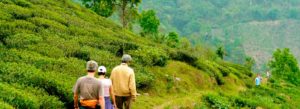
The Makaibari Tea Estate is one of the most well-known tea estates in the world. Their internationally prize-winning teas are highly regarded, and many of the stakeholders are legends in the tea world. Although Makaibari is home to a luxury resort, they also maintain a humble program rooted in “sustainable, responsible tourism.” Among their programs, the Makaibari Homestay Program allows guests to live with a local family in one of the villages for long-term, short-term, or day-long visits. Learn more…
Wow Taiwan Master Tour | Blue Magpie Tour | Pinglin, Taiwan
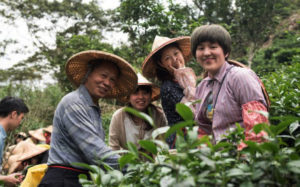
Wow, Taiwan provides half-day and day-long tours and experiential learning trips in villages across northern Taiwan. They offer several Slow Tea Tours, notably the Tea Master and Tea Mountains Culture Tour in Pinglin. “Whether sampling the local brews, making conversation with shop owners on its Old Street, or watching the sun emerge from behind its hills, Pinglin encourages visitors to slow down and bring into focus the simpler pleasures in life.” Learn more…
Mutual Benefit
Beyond the suggested tea tours, it is important to renew our understanding of what authentic and sustainable mean. When considering a decolonized approach to tourism, it is wise to question everything at its source. Most importantly, a responsible tourist must reflect on who benefits the most from tourism and how communities involved are integrated (or being taken advantage of).
Tea Journey endorses locally owned and operated tours encouraging a slow, mindful movement that honors the host culture.