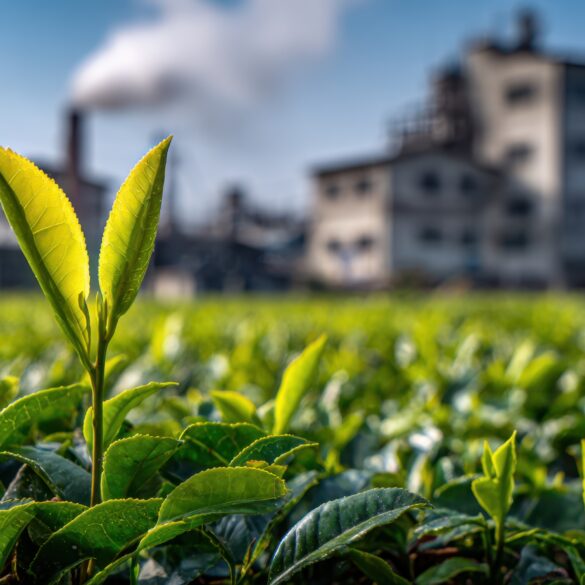


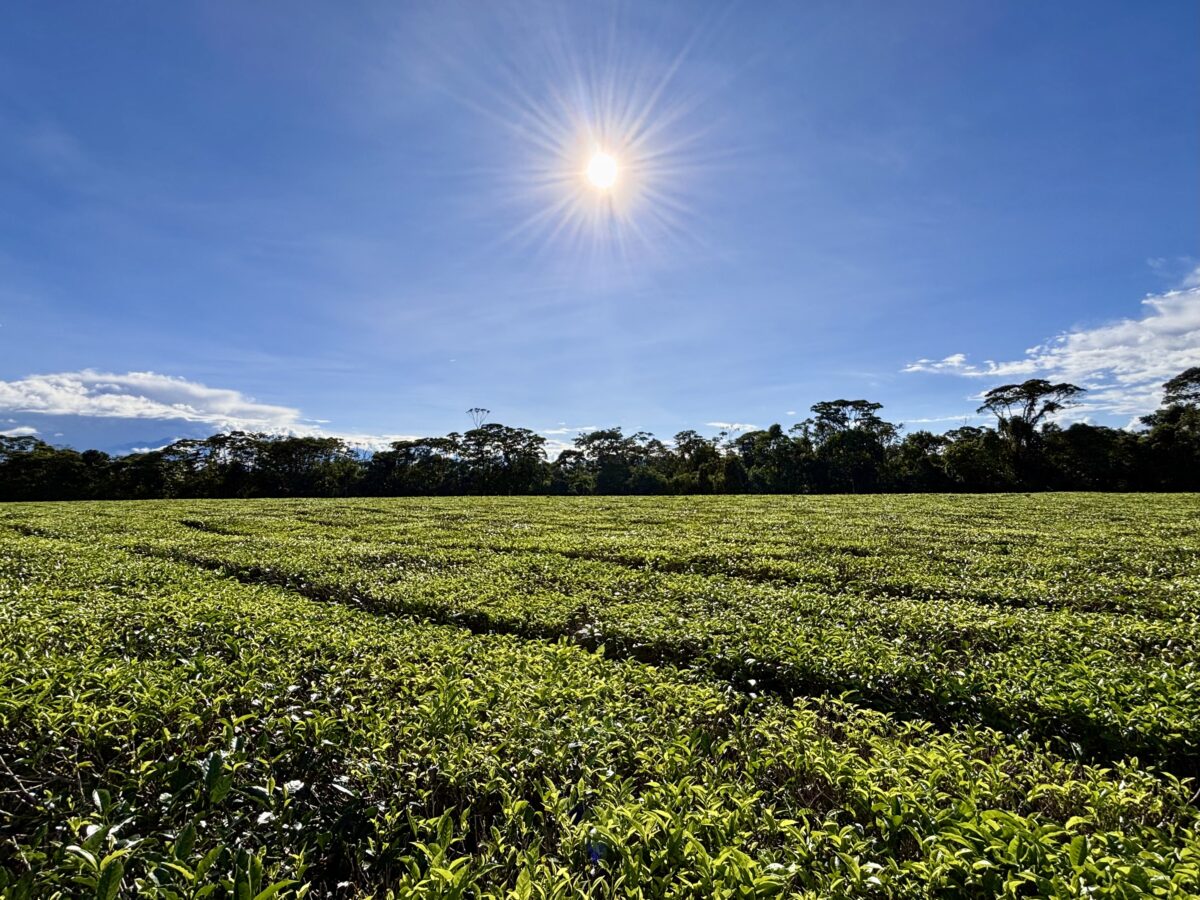
The Amazon rainforest is renowned for its breathtaking beauty, vibrant greenery, and unparalleled biodiversity. Extending into Ecuador, it is home to the only tea farm in all of Amazonia: Hacienda Sangay. Situated in Palora, less than two degrees from the equator in the remote Oriente region, the farm produces 600 metric tons of premium black tea each year.
Cultivating Tea in the Heart of the Amazon
Fernando Castillo Cruz is president of the Ecuadorian Tea Company (CETCA), which owns the farm. He said that it was established in 1964 by the British, who sought land near the equator to expand tea production beyond Africa. They planted African Camellia sinensis varietals from seed—plants we continue to harvest today.”
While teaching a course at the Universidad Espíritu Santo law school in Ecuador, I visited Hacienda Sangay. Tucked deep in the Amazon, the farm offered a glimpse into Ecuador’s unique tea industry against a dramatic backdrop: the nearby Sangay Volcano, which erupted during my visit, just 53 kilometers (32 miles) away.
Castillo, originally from San Juan, Puerto Rico, said his father immigrated to Puerto Rico from Ecuador in 1968 to pursue a degree in agronomy. “He and my mother built a large nursery business on the island.” In 2007, Castillo said, his father returned to Ecuador. They bought the business from a group of British shareholders of Inchcape plc, the owner at the time.
Castillo moved to Ecuador to take over operations in 2012. He has since managed the farm, which sits at an elevation of 800 meters (2,625 feet), along with CETCA’s retail tea and fruit business. An attorney by training, Castillo left his law practice in Puerto Rico to continue his father’s legacy and the farm’s work.
Innovation, Tradition, and Global Reach
In Ecuador, tea, or “té,” is commonly understood to refer to any infusion, including pure tea, herbal blends, and herbal teas. “Many households in Ecuador have a box of the classic Horniman’s black tea in their kitchens,” Castillo said, “along with popular herbal infusions like chamomile, lemongrass, hibiscus, lemon balm, and lemon verbena.”
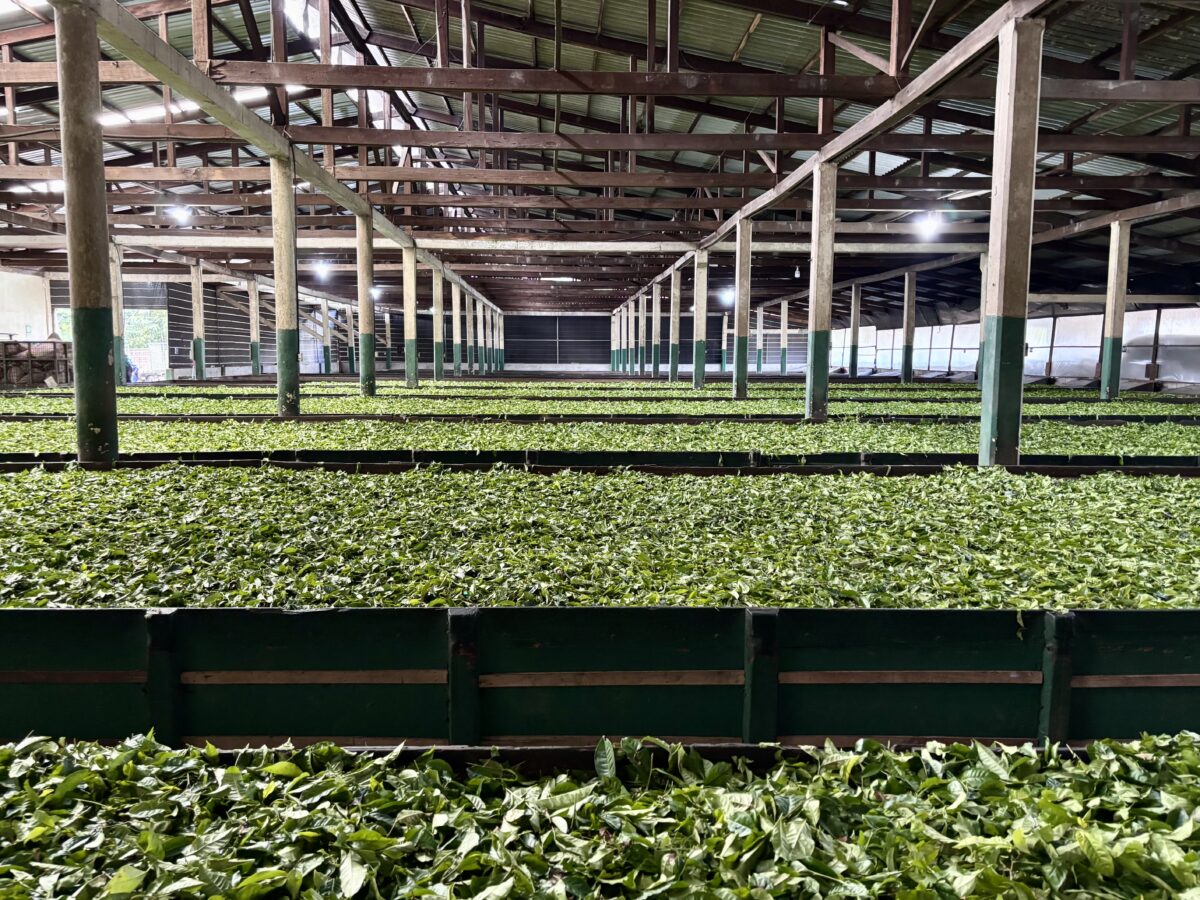
CETCA produces CTC black teas year-round, with rich notes of dark chocolate, almond, and molasses-like sweetness. “Our customers marvel at our unique flavor profile,” he said, “which makes it an exquisite base for plain and blended teas.” They export about 80% of their tea to the United States, Latin America, and Malaysia.
CETCA is one of Ecuador’s largest domestic tea retailers, offering its black tea line, sold under the Horniman’s Tea brand, as well as its Sangay line of herbals and green teas. “Our best seller is our hibiscus infusion. Red products always perform well in Ecuador, from beverages to dish soap, which is why our red fruits infusion is also very popular.”
Changing Trends, Outpacing Competitors
Horchata is a popular herbal blend in southern Ecuador, made from a mix of herbs and flowers. It can be served either hot or cold. “Our horchata is a blend of 28 herbs,” he said, “including rose petals and escancel, a native Ecuadorian plant, which combine to create a bright, naturally red infusion.”
The 946-hectare Hacienda Sangay was originally planted with Camellia sinensis. However, Castillo, a proponent of polyculture, replaced some of the tea bushes with acai, bamboo, coffee, dragon fruit, and other experimental crops while preserving over 200 hectares of primary forest. “We offer a variety of products, with dragon fruit among our newest.”
Growing up in Puerto Rico, Castillo was never far from the ocean, where he became an avid sailor. “My business philosophy is like sailing,” he said. “You can never sail directly to your destination; you have to keep adjusting your sails along the way. In business, you have to adapt by staying attuned to the market and adjusting your sails. Or else, you are doomed.”
For example, during the economic stresses of the COVID pandemic, Castillo sought health-related opportunities. With the increased demand for green tea and ginger, he developed products to meet that need. “En río revuelto, ganancia de pescadores,” he said, using a Spanish idiom meaning, “a troubled river is a fisher’s gain.”
Trends change quickly, and while many older customers may prefer a consistent product, younger ones often seek something new and innovative. Castillo visits tea farms in Argentina, China, and India to stay ahead of innovations and trends. “I have to outpace my competitors, and once they catch up, I then need to introduce something even newer. It’s a never-ending race.”
Rooted in Culture and Sustainability
Castillo also planted guayusa trees at the farm. The native ilex guayusa, a member of the holly family, has seen a surge in interest. As a cousin to yerba mate in Argentina and yaupon in the United States, guayusa contains caffeine but fewer tannins, resulting in a smoother flavor. Experts also recognize it for supporting both focus and energy, but with fewer jitters.
His guayusa line, marketed as Guayusa Tea Code, is gaining traction. “We make our energy blend from pure organic guayusa. We offer a diet version with jasmine green tea, plus a detox blend with plantain, spiced pepper, and goldenberry,” he said. “And, of course, we have a red tropical fruit blend—with hibiscus leaves, dried pineapple, and dried soursop.”
Similar to pure tea in China, guayusa has a rich history of medicinal and spiritual use in Ecuador. Teresa Shiki, owner of the Omaere Ethnobotanical Park in Oriente and a member of the indigenous Shuar community, invites visitors to explore the park to learn about guayusa, cinnamon, and other plants used by the region’s indigenous people for natural healing.
Following Traditions, Fostering Collective Growth
“According to our tradition,” she said, “we periodically wake up around 3:00 am and prepare guayusa as a community. The youth share their dreams and aspirations. We interpret their dreams and give life advice, sharing the wisdom of our ancestors. Guayusa, with its healing and cleansing properties, is the centerpiece of this ritual.”
Castillo said his passion is to sell sustainable products, benefit society, and foster collective growth. “We have been certified annually by the Rainforest Alliance since 2008, comply with EU deforestation regulations, and collaborate with local distributors. Through our Amazon Healing Foundation, we also educate and support local farmers.”
“Even though the tea industry changes quickly,” Castillo said, “I stay grounded in my values. My ‘north star’ is to foster well-being, never settle for conformity, adapt, and avoid shortcuts. This mindset is essential for anyone to succeed. I trust our teas will empower everyone to pursue their dreams with focus and determination.”

To learn more about CETCA, please visit tedelecuador.com. To support the Amazon Healing Foundation, visit amazonhealing.org.
See Related
Selling Tea in Italy: Forgetting the Noise of the World | John Smagula
Tea Discovery: Indian Chai | John Smagula
Selling Tea in Ghana | John Smagula