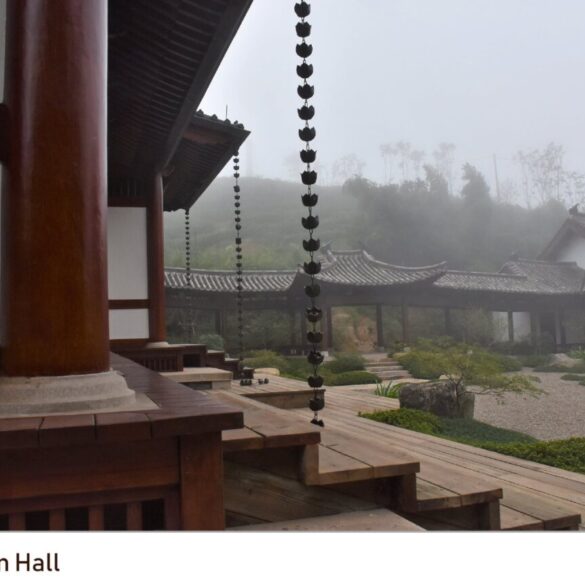


High in the bamboo mountains northwest of Hangzhou, Jingshan Temple has risen, fallen, and risen again for centuries. The Chan monk Guoyi founded the monastery in 741 CE during the Tang dynasty. His retreat expanded into a major Buddhist center. During the Southern Song dynasty, Jingshan flourished. Records describe 1,700 monks living in hundreds of buildings surrounded by tea gardens.
War, fire, and upheaval destroyed the temple repeatedly. Mongols looted it in the 13th century. Ming rulers rebuilt it later.
Over 1,200 years, Jingshan endured destruction and renewal more than a dozen times, reflecting China’s turbulent monastic history. Reconstruction began again in the early 21st century. Zhejiang Province and national programs supported cultural preservation and rebuilding.
After 2008, artisans restored Song- and Ming-style wooden halls, courtyards, bell towers, and ceremonial gates using traditional timber techniques. The temple estate spans forests and tea gardens cultivated for 1,200 years. Imperial decrees once granted monks 13,000 mu of land. Restoration revived interlocking joints, roof brackets, and upturned eaves. Craftsmen preserved relics like Song steles, bronze statues, and the bell tower.
Today, Jingshan serves as a Chan monastery, cultural heritage center, and research hub. Scholars study its role in Song tea culture. Tea banquets at Jingshan shaped powdered tea traditions later carried to Japan. Visitors now explore its restored halls and tea gardens.
Wanshou Temple: Imperial Patronage and Tea Legacy
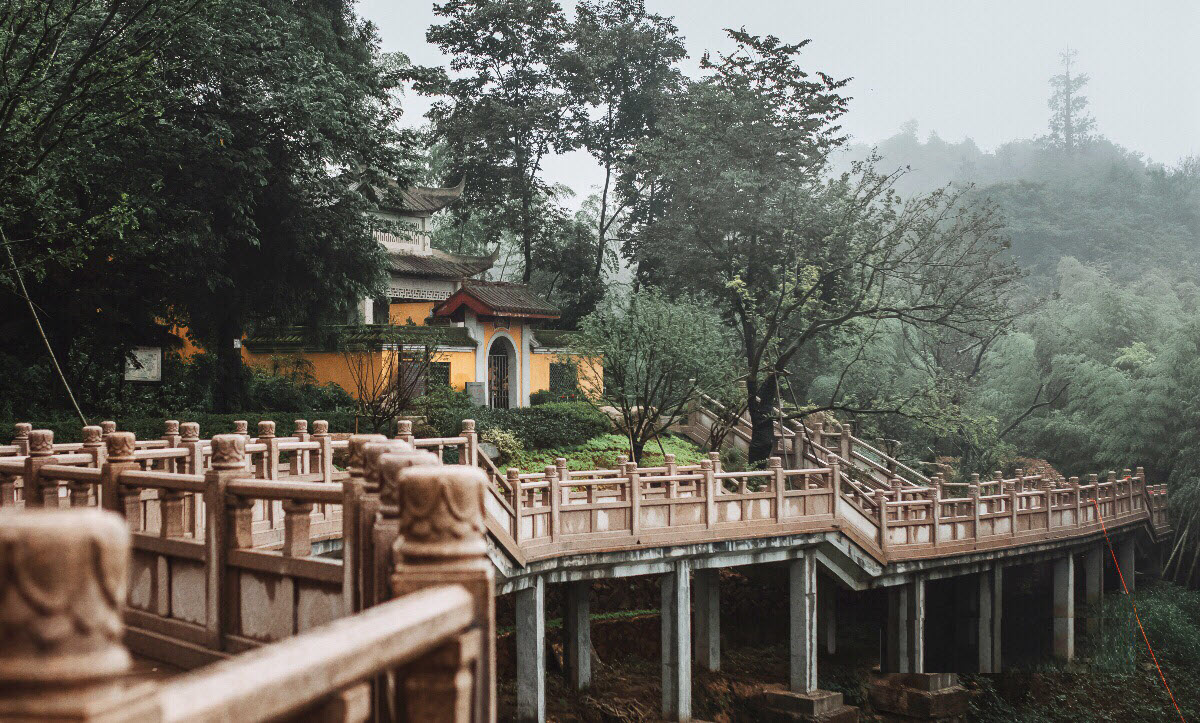
Known historically as Wanshou Temple, Jingshan gained imperial support during the Tang and Song dynasties. Construction expanded during the Zhonghe period (881–884). The monastery grew into one of China’s most influential Chan institutions.
During the Southern Song, Emperor Ningzong elevated Wanshou Temple within the “Five Mountains and Ten Temples” system. This ranking cemented its role as a major religious and intellectual center near Hangzhou, the imperial capital. Accounts describe vast halls, pavilions, and residences among tea gardens. Thousands of monks lived and studied here.
Tea cultivation thrived. Jingshan tea became famous, served during elaborate Chan banquets combining meditation, poetry, and powdered tea preparation. Japanese monks visiting Song China carried these tea rituals back to Japan. They helped shape the Japanese tea ceremony. Fire destroyed the temple near the Yuan dynasty’s end. Monk Zhengyin rebuilt it in 1330 during the Zhishun era.
Storms and decline followed. Restoration began again in the 1980s under cultural preservation programs. Rebuilt timber halls, roof brackets, and tiled eaves echo earlier dynasties. The site preserves its cultural significance. Today, Jingshan stands renewed. It serves Chan practice, tea heritage, and scholarship, linking modern visitors with China’s tea traditions.