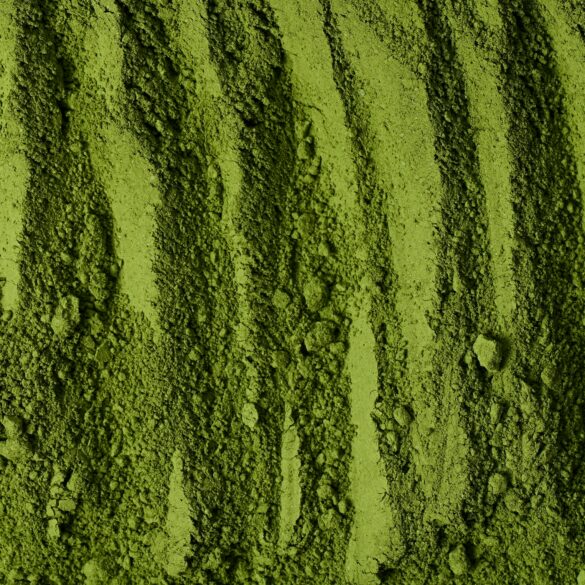


Mo Cha (末茶) was the powdered tea prepared in China during the Song dynasty (960–1279), centuries before the Japanese refined the practice into matcha.
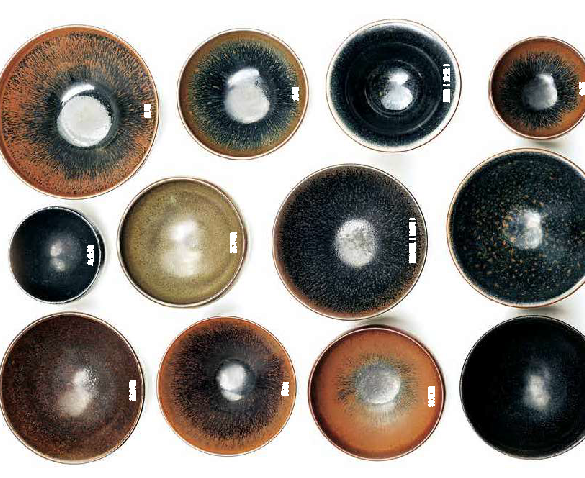
Unlike modern loose-leaf tea, Song tea was often steamed, pressed into cakes, dried, and then ground into a fine powder. When prepared, the powder was placed in a bowl and whisked into a pale foam with hot water using a bamboo whisk, prized for its brightness and stability. The drink was typically served in dark, black-glazed Jianzhan bowls, whose glossy surface highlighted the white froth.
Monks and scholars valued Mo Cha not only for its flavor but also for the focus it brought to meditation, poetry, and scholarly gatherings. In Chan Buddhist monasteries such as Jingshan Temple, the preparation of powdered tea was part of formal tea-banquet rituals.
When Japanese monks encountered these practices in Song China, they carried them home. In Japan, the powdered tea tradition evolved into matcha, preserving techniques that had largely disappeared in China after the Ming dynasty.
Preparing the Mo Cha
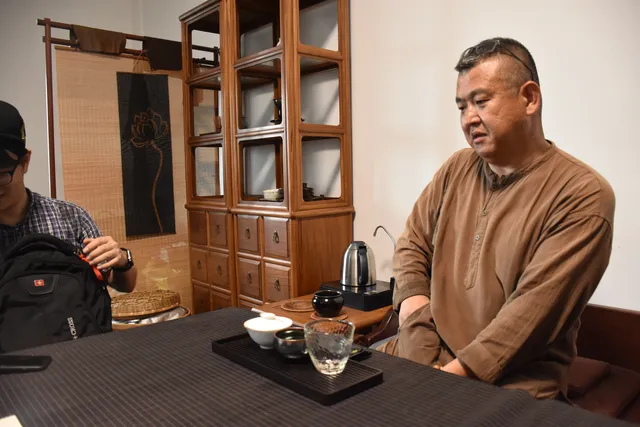
What a rare chance to experience something so unfamiliar, yet so intimately familiar at the same time. As a student of chanoyu, I understand the historic Chinese roots that inspired the Japanese tea ceremony centuries ago. The mental image of a bowl of frothy white tea floating like a cloud sounded so inviting, yet I couldn’t quite imagine what it might taste like. I had really been looking forward to this tasting.
The first thing I would note about Mo Cha is that you shouldn’t expect it to be like matcha. Set aside what you know about matcha. Whether you are a tea ceremony student, a matcha connoisseur, or a regular at matcha cafés, open your palate to something entirely new. Remember that it was the technique that inspired visiting Buddhist monks from Japan. They were not trying to recreate China’s powdered tea exactly, but were drawn to the ritual. The preparation may feel familiar, but the taste is completely unique.
I began by sifting the tea powder and placing it into a natsume for serving. As a starting point, I measured the same amount of tea into a chawan as I would when making matcha—two scoops with a tea scoop, roughly one level teaspoon (about 2 grams). Then I added the customary amount of water, about 60 milliliters (2 ounces).
When I began to whisk, however, I immediately noticed something different. The powder does not dissolve instantly, unlike matcha. Instead, it floats and clumps together almost like algae while the water remains clear. When whisked vigorously, the tea gathers at the bottom of the bowl and forms a thick sludge.
This clearly wasn’t working.
So, I changed my approach and prepared the tea more like koicha, adding water in very small increments. First, I made a smooth paste. Then, as I gradually added more water while whisking, something remarkable happened. A creamy, elegant white cloud thickened in the bowl.
Success.
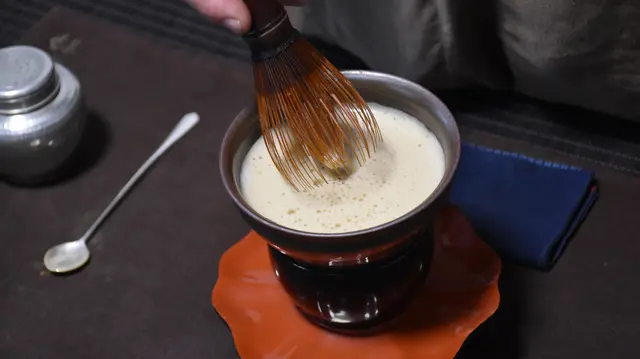
Tasting the Mo Cha
The fragrance of both the dry powder and the finished bowl of tea will feel instantly familiar to anyone who has visited a small family tea garden. It has the sweet, dewy vegetal aroma of freshly picked tea buds waiting patiently in baskets before processing. The leaves are not yet withering, but they release those delicate floral notes that appear at the earliest stage of tea making.
It’s simply lovely—and quite different from matcha, which often has a fresh chlorophyll aroma with hints of toasted bamboo.
Mo Cha reminds me more of opening a pouch of Silver Needle and smelling the first batch of the new harvest.
The powder itself feels silty and smooth. I couldn’t tell you how fine it is in microns. Neither could the tea masters of several centuries ago. But the grind is remarkably even, with no flakes or coarse particles.
The flavor of Mo Cha is exactly like chewing a freshly steeped Silver Needle bud. It is clean, fresh, and intense. There’s a balanced bitterness like cucumber peel, but it isn’t drying or chalky. The tea is refreshing and lighter in texture than matcha.
The flavor also reminded me of misty spring lettuce—almost like mâche, the delicate field salad. There’s a faint floral note, more like biting into petals than smelling them.
It’s intriguing. I kept returning to it, making new bowls and adjusting the water-to-tea ratios each time.
Preparing Mo Cha reminded me that there is still so much to discover in tea – both by looking forward and by rediscovering the past. Never assume that a story has ended. Whether it involves a specific tea, a category of tea, or the culture surrounding it, there is always more to learn.
And always something new to taste.