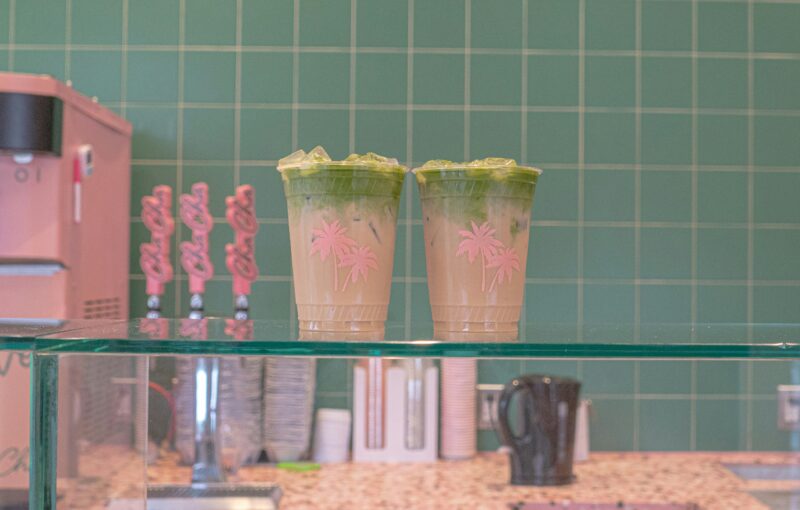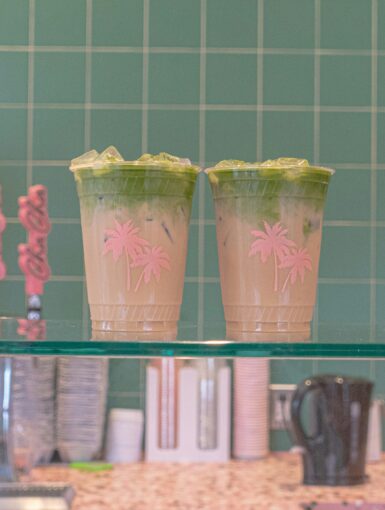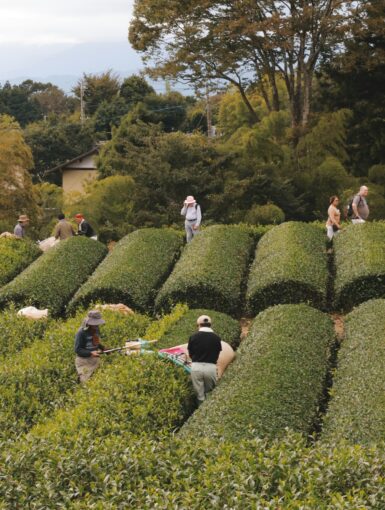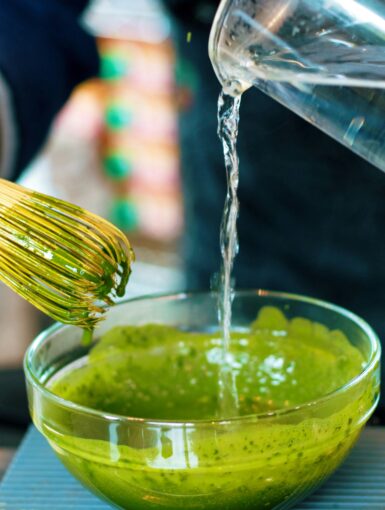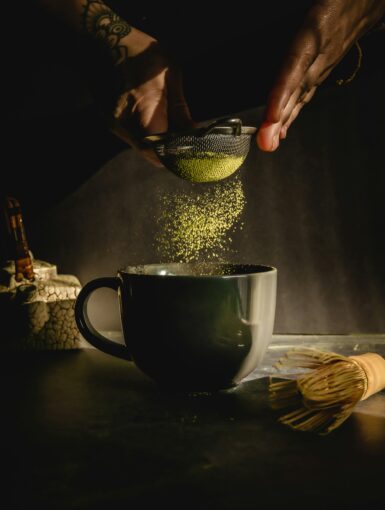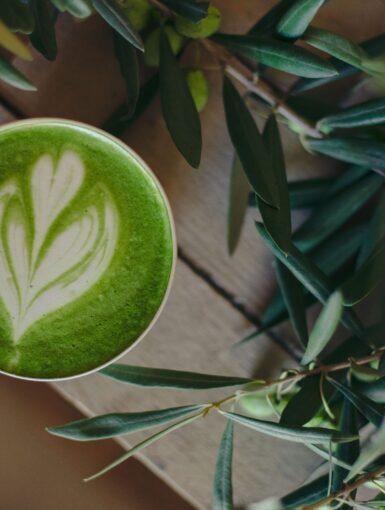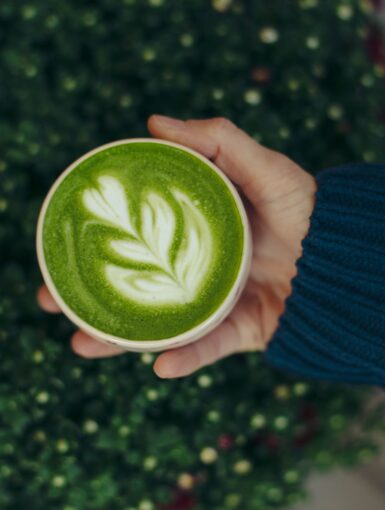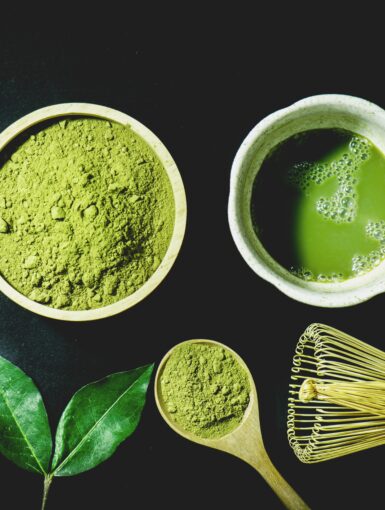

Matcha’s rise from ancient ritual to global craze has sparked shortages, soaring prices, and authenticity concerns. The shortage highlights overconsumption, climate pressures, and the need for mindful approaches to food trends and sustainability
Read MoreMatcha
Koicha vs. Usucha: The Science Behind Matcha’s Thick and Thin Styles
Matcha transforms into usucha or koicha depending on water and powder ratios. Usucha foams light and airy, while koicha creates dense, glossy suspension. Both styles reflect Japanese tea culture and tradition
Read MoreMatcha Production Around the World: Growing Beyond Japan
Matcha is no longer just Japan’s treasure – discover how China, Kenya, Taiwan, and the U.S. are reshaping its flavor, craft, and authenticity.
Read MoreTea Emissaries: Eisai and Enni Ben’en
Tea Emissaries Eisai and Enni Ben’en brought powdered tea from China to Japan, weaving Zen practice, ritual, and cultivation into traditions that evolved into Japan’s iconic tea ceremony.
Read MoreThe Global Matcha Revolution: From Zen Temples to a Powerhouse
As matcha evolves into an $11 billion global phenomenon, discover how this ancient Japanese ritual transformed into a modern superfood staple, outperforming coffee in sustainability, health benefits, and market growth.
Read MoreThe Global Matcha Revolution: From Zen Temples to a Powerhouse
As matcha evolves into an $11 billion global phenomenon, discover how this ancient Japanese ritual transformed into a modern superfood staple, outperforming coffee in sustainability, health benefits, and market growth.
Read MoreMatcha Shortage Exposes Global Consumption Challenges
Matcha’s rise from ancient ritual to global craze has sparked shortages, soaring prices, and authenticity concerns. The shortage highlights overconsumption, climate pressures, and the need for mindful approaches to food trends and sustainability
Read MoreKoicha vs. Usucha: The Science Behind Matcha’s Thick and Thin Styles
Matcha transforms into usucha or koicha depending on water and powder ratios. Usucha foams light and airy, while koicha creates dense, glossy suspension. Both styles reflect Japanese tea culture and tradition
Read MoreMatcha Production Around the World: Growing Beyond Japan
Matcha is no longer just Japan’s treasure – discover how China, Kenya, Taiwan, and the U.S. are reshaping its flavor, craft, and authenticity.
Read MoreTea Heritage: Meditation at the Grand Jingshan Temple
Zhejiang Province, China and Tea Heritage A young boy raced past – a blue streak circling the courtyard and bounding up the temple stairs in untied shoes, his shouts breaking the quiet outside the Chan Buddhist meditation hall. The prayer hall is neither gilded nor imposing like the grand Jingshan […]
Read MoreRebuilding Jingshan: Restoring a Millennium of Tea and Buddhist Culture
High in Hangzhou’s bamboo mountains, Jingshan Temple has endured cycles of destruction and renewal for over 1,200 years, shaping Chan Buddhism, tea rituals, and cultural heritage that continue to inspire scholars and travelers today
Read MoreWhat is Mo Cha?
Mo Cha, the powdered tea of the Song dynasty, reveals a frothy, floral flavor unlike matcha. Its preparation recalls ancient rituals, offering a rare chance to rediscover tea’s forgotten Chinese roots.
Read MoreFrom Anxious to Calm: A Japanese Tea Farmer’s Guide to Matcha and Meditation
A Japanese tea farmer reveals how matcha rituals and wabi-sabi philosophy ease anxiety. Through breathing, whisking, and savoring imperfection, the tea ceremony becomes a calming retreat that restores balance and presence in everyday life.
Read MoreA New Way to See Matcha Quality
Ian Chun introduces a groundbreaking Matcha Spectrum Sampler, reframing how buyers understand quality. His visual chart clarifies confusing grades, shifting focus from production claims to functional performance in the bowl.
Read More